Four New Sensors in One Month
Jun 04, 2026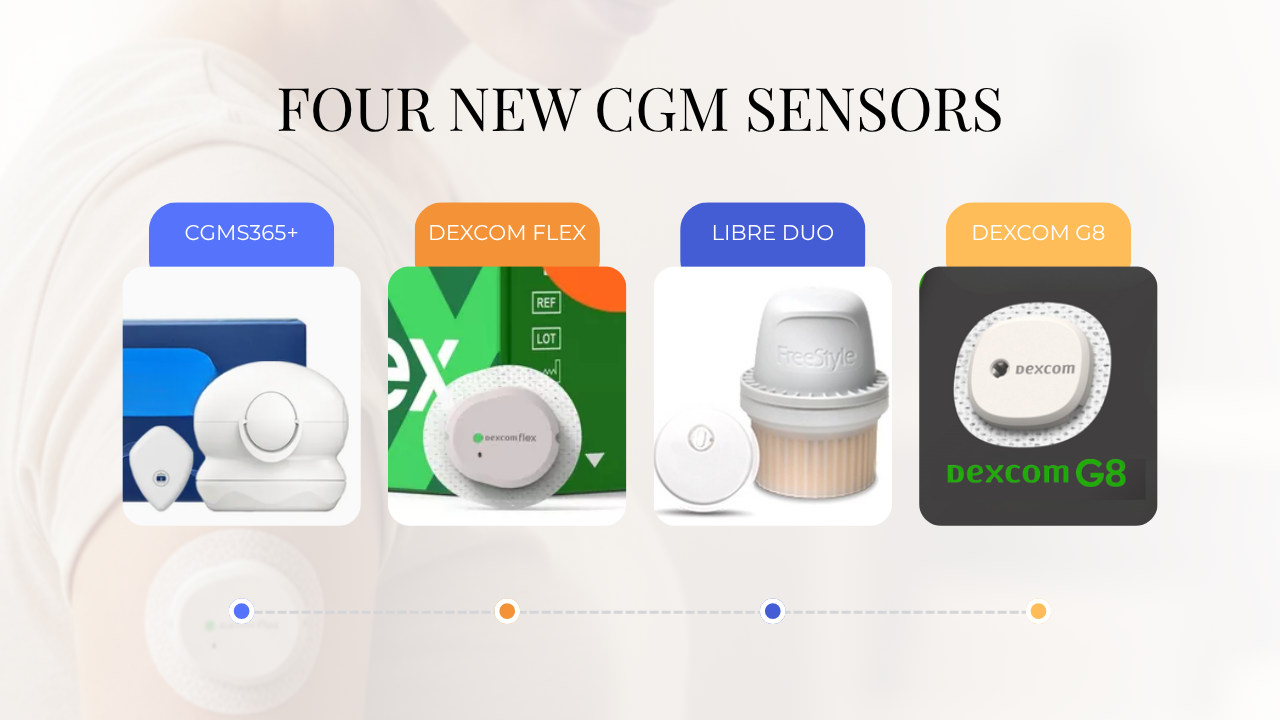
May 2026 was one of the busiest months in the history of continuous glucose monitoring.
Within less than 30 days, four new sensor platforms were launched, previewed or received regulatory approval across three continents. At the same time, several companies unveiled plans to move beyond glucose and continuously measure ketones, potassium and lactate.
At first glance, it feels like the beginning of a new era.
But perhaps the bigger story is not about new biomarkers.
Perhaps it is about a market that is rapidly maturing.
As continuous glucose monitoring becomes increasingly established, manufacturers are looking for new ways to differentiate themselves. Some are adding biomarkers. Others are targeting new patient populations. Still others are focusing on manufacturing scale and lower-cost access.
Here is what happened this month—and what it might mean.
1. CGMs365+: Another New Player Enters an Increasingly Crowded Market
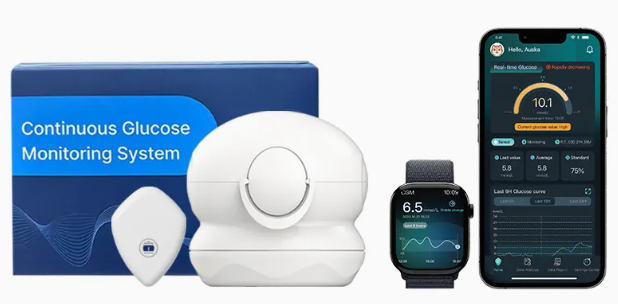
At DTechCon 2026 in Mumbai, Belvix Diagnostics India introduced the CGMs365+ sensor, based on technology developed by Chinese manufacturer Eaglenos Sciences.
The announcement is noteworthy for several reasons.
Eaglenos received Chinese NMPA approval in 2025 and is now rapidly expanding internationally. The company is already promoting the same technology under different brand names in several regions, including Poland, and announced its entry into Brazil and Latin America this month. Through its partnership with Belvix, local manufacturing will also start in India.
The sensor specifications are competitive:
- 15-day wear time
- Factory calibration
- Measurements every 3 minutes
- All-in-one sensor and transmitter
- Claimed MARD of 8.76%
However, there is an important caveat.
Although a MARD of 8.76% was quoted, supporting peer-reviewed accuracy data were not publicly available at the time of writing. As always, independent validation studies will ultimately determine how the sensor performs in clinical practice.
The bigger takeaway may not be the sensor itself.
It is the speed at which new manufacturers are entering the CGM market.
Only a few years ago, the market was dominated by a handful of companies. Today, more than twenty CGM systems exist globally, with multiple Chinese manufacturers now expanding internationally.
And Eaglenos is already looking beyond glucose.
The company is preparing trials with a continuous lactate monitor.
Which raises an increasingly important question:
If glucose monitoring is becoming a commodity, what comes next?
2. Dexcom Flex: A New Sensor or a New Strategy?
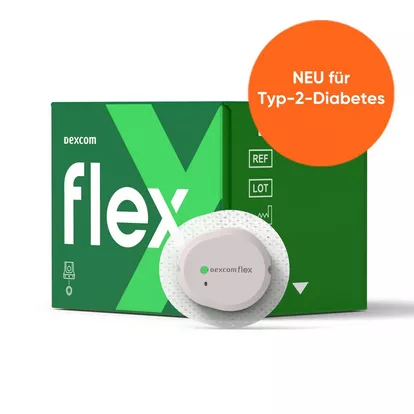
At the DDG Diabetes Congress in Berlin, Dexcom officially launched Dexcom Flex.
Technically, Flex is not a revolutionary product.
Strategically, however, it may be one of the most interesting launches of the year.
Dexcom now effectively offers different sensors for different reimbursement environments:
- Dexcom G7
- Dexcom ONE+
- Dexcom Flex
- Stelo
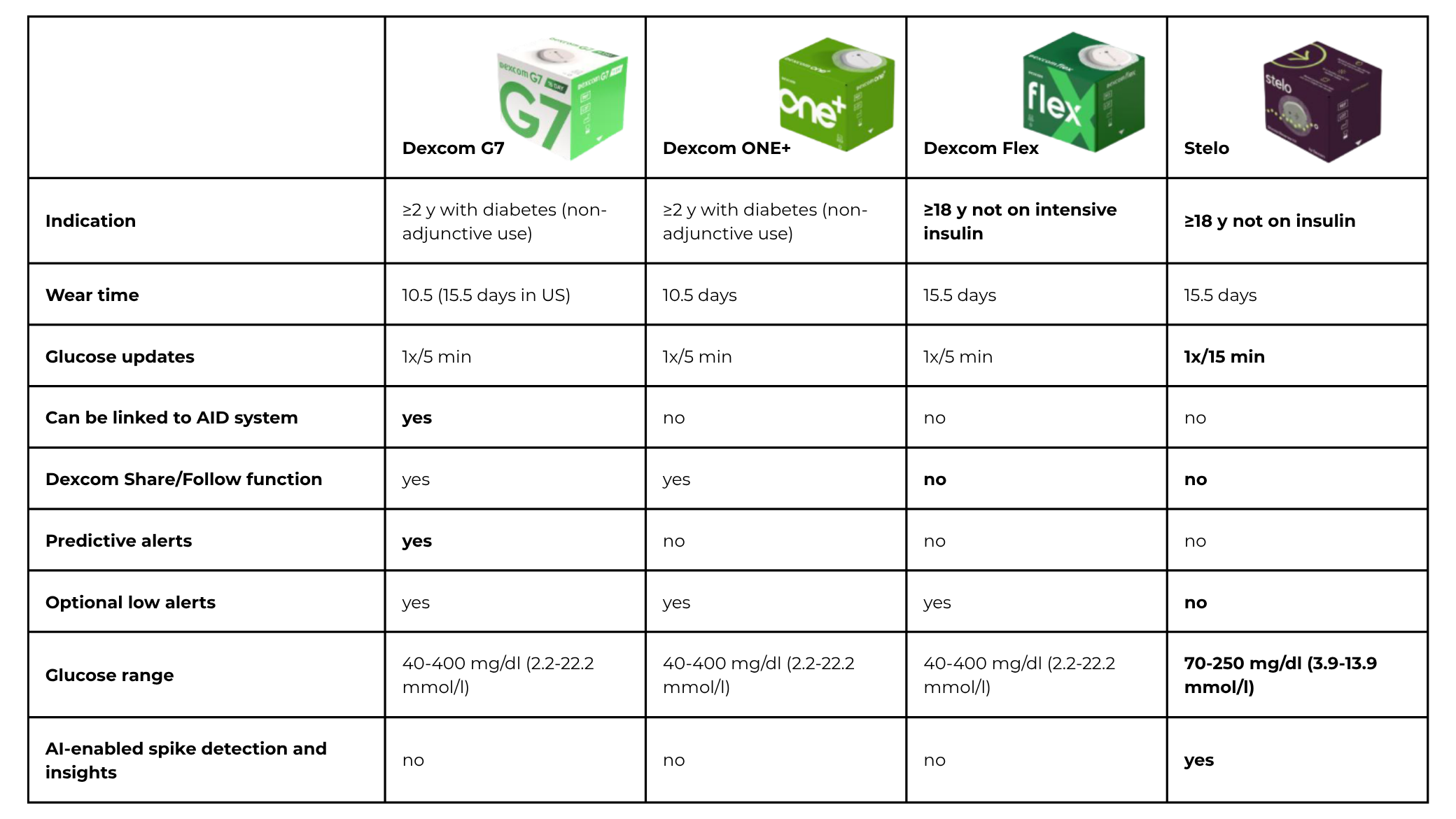
Dexcom Flex is intended for adults with type 2 diabetes who are not on intensive insulin therapy, including people treated with basal insulin, oral medication or GLP-1 receptor agonists.
This reflects a broader shift happening throughout diabetes care.
The evidence supporting CGM use in people with type 2 diabetes continues to grow. Increasingly, the discussion is no longer whether CGM works in these populations, but how healthcare systems can make it affordable.
From that perspective, Dexcom Flex may be less about technology and more about market segmentation.
A lower-cost CGM may ultimately have a greater impact than a more advanced CGM.
The launch also provides insight into Dexcom's broader roadmap.
- Before the G8 arrives, Dexcom plans to extend wear time across its existing portfolio, with longer-lasting versions of the G7 and ONE+ expected in the coming months.
- The company also announced plans to launch a dedicated hospital CGM platform by the end of 2027.
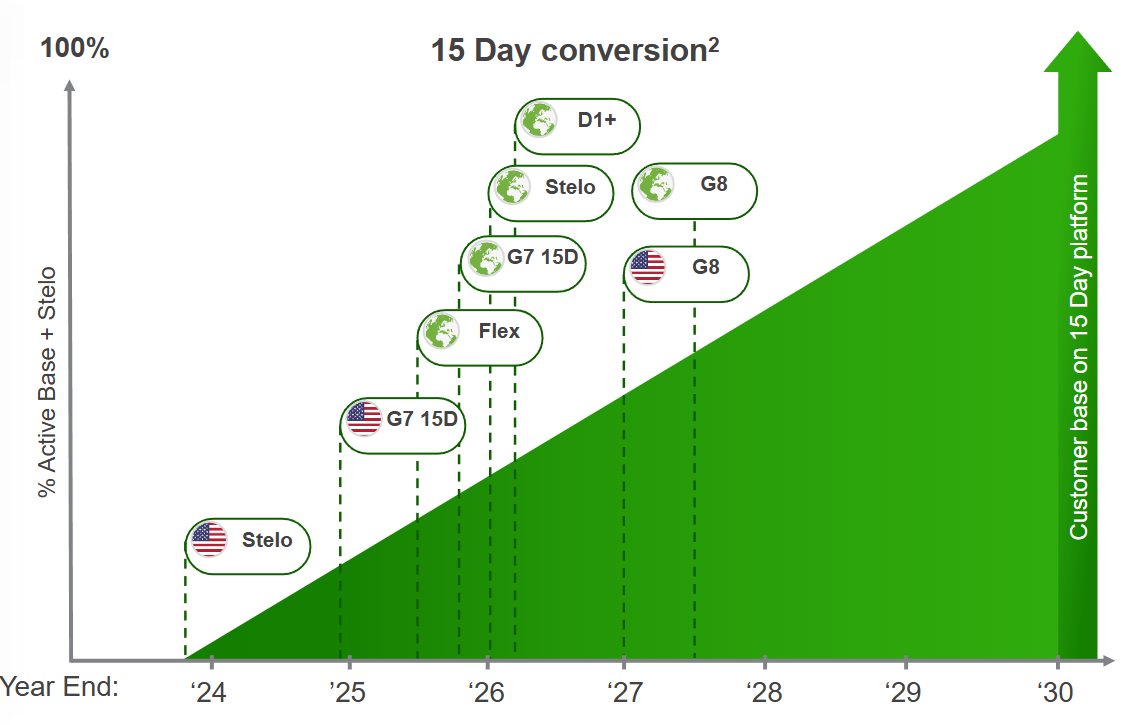
Slide > Dexcom Investor Day May 14, 2026
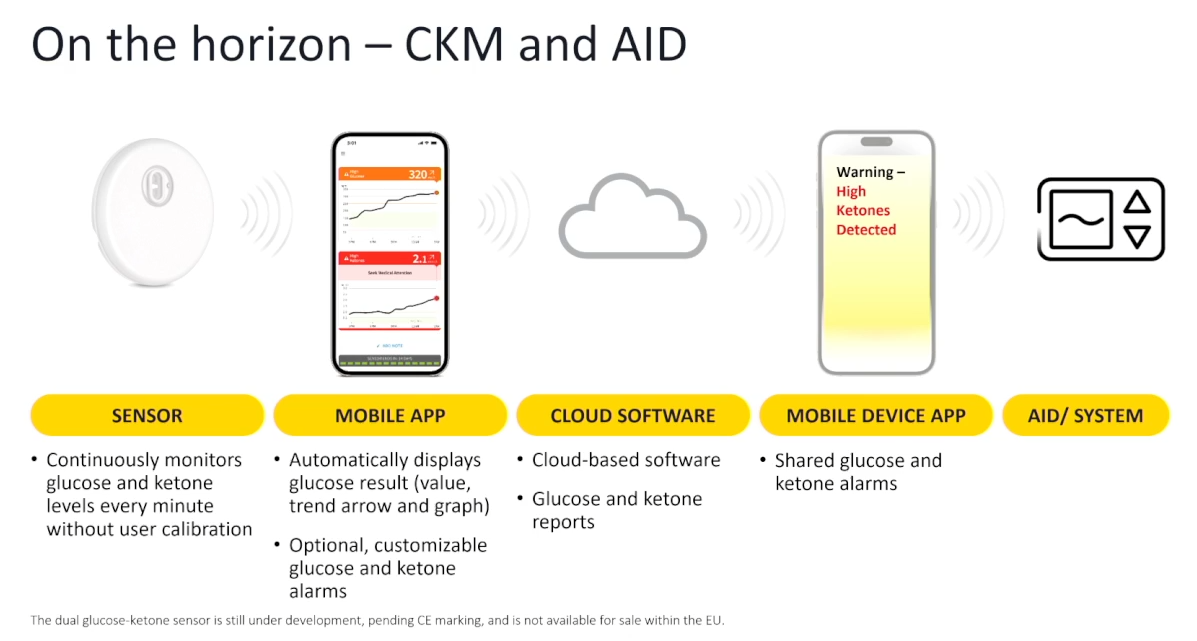
3. Libre Duo: Potentially Important, but We Are Still Learning How to Use Ketones
Slide > Abbott presentation @DDG2026
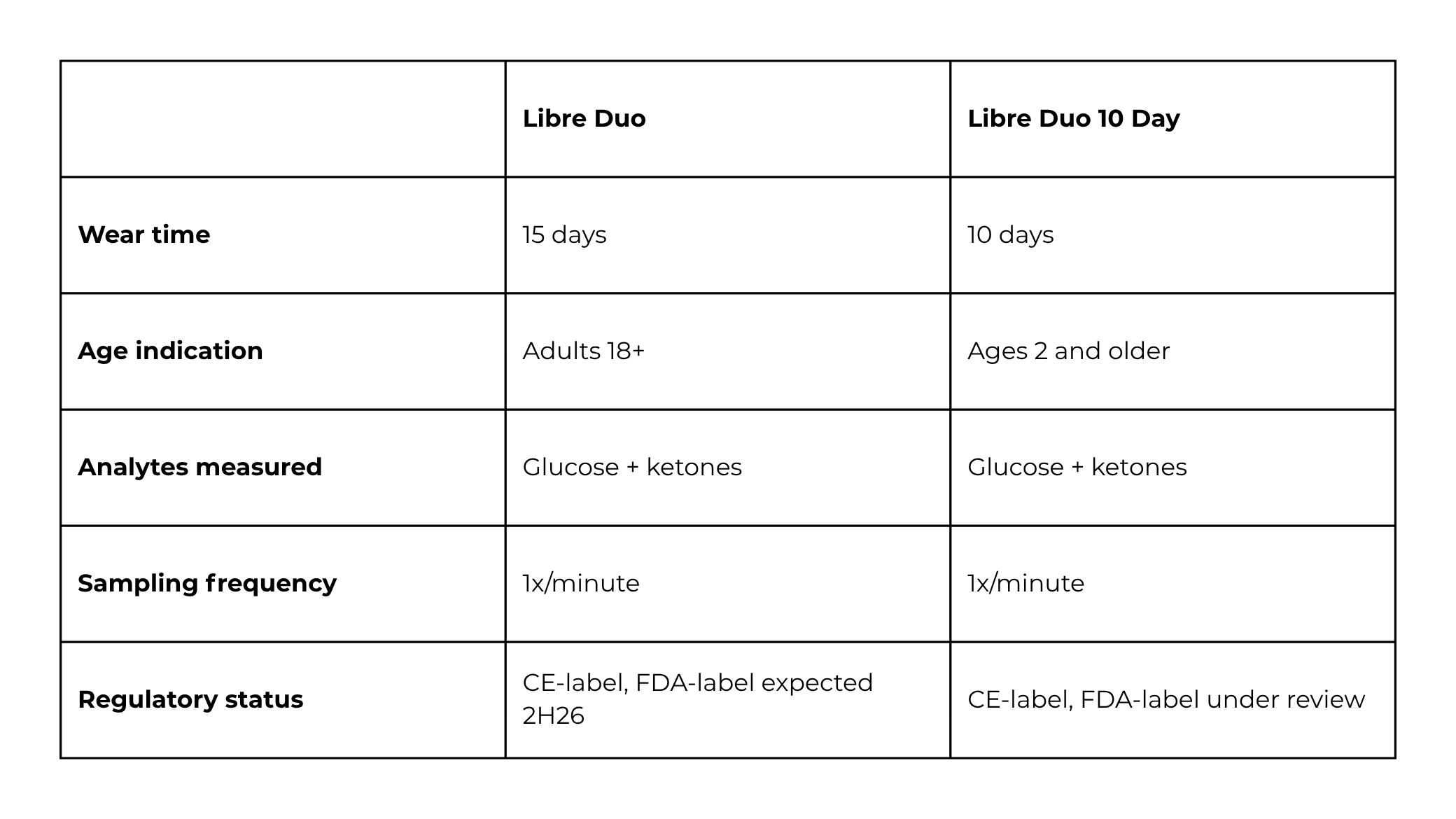
Four years after it was first announced, Abbott finally received CE Mark approval for Libre Duo and Libre Duo 10 Day.
The sensor continuously measures both glucose and ketones from a single wearable device.
Several automated insulin delivery manufacturers—including Tandem, Beta Bionics, Sequel, Ypsomed and MiniMed—have already announced planned integrations.
Of all the announcements this month, Libre Duo may ultimately have the biggest clinical impact.
Not because it measures another analyte.
But because ketones are directly linked to one of the most feared acute complications in diabetes: diabetic ketoacidosis.
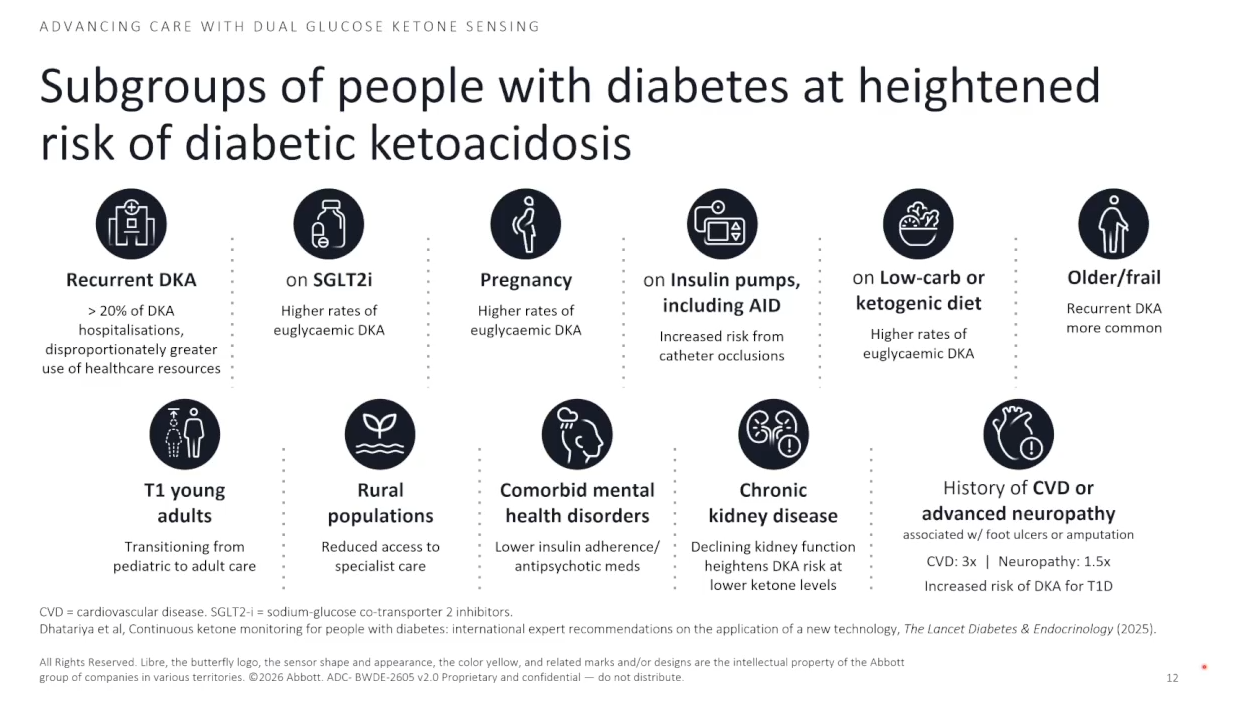
Several potential use cases immediately come to mind.
Slide > Abbott presentation @DDG2026
People with type 1 diabetes using SGLT2 inhibitors could potentially benefit from an additional safety layer.
Continuous ketone monitoring may also help automated insulin delivery systems detect infusion set failures or emerging metabolic decompensation earlier than glucose alone.
The concept is attractive.
The challenge is that we still do not know exactly how to use the information.
For decades, ketones have only been measured occasionally.
Soon we may have continuous ketone profiles available every minute.
And that creates new questions.
- What constitutes a normal ketone pattern?
- When should rising ketones trigger action?
- Should someone change an infusion set?
- Take extra insulin?
- Eat carbohydrates?
- Wait and observe?
At present, we do not know.
This challenge becomes even greater in people using SGLT2 inhibitors.
These medications often result in chronically elevated ketone levels compared with people not using them. There is also considerable variability between individuals.
One person's normal ketone profile may be another person's warning sign.
As a result, simple universal thresholds may not be sufficient.
The future may lie in personalized baselines, trend analysis and rate-of-rise algorithms rather than fixed cut-offs.
Slide > Abbott presentation @DDG2026
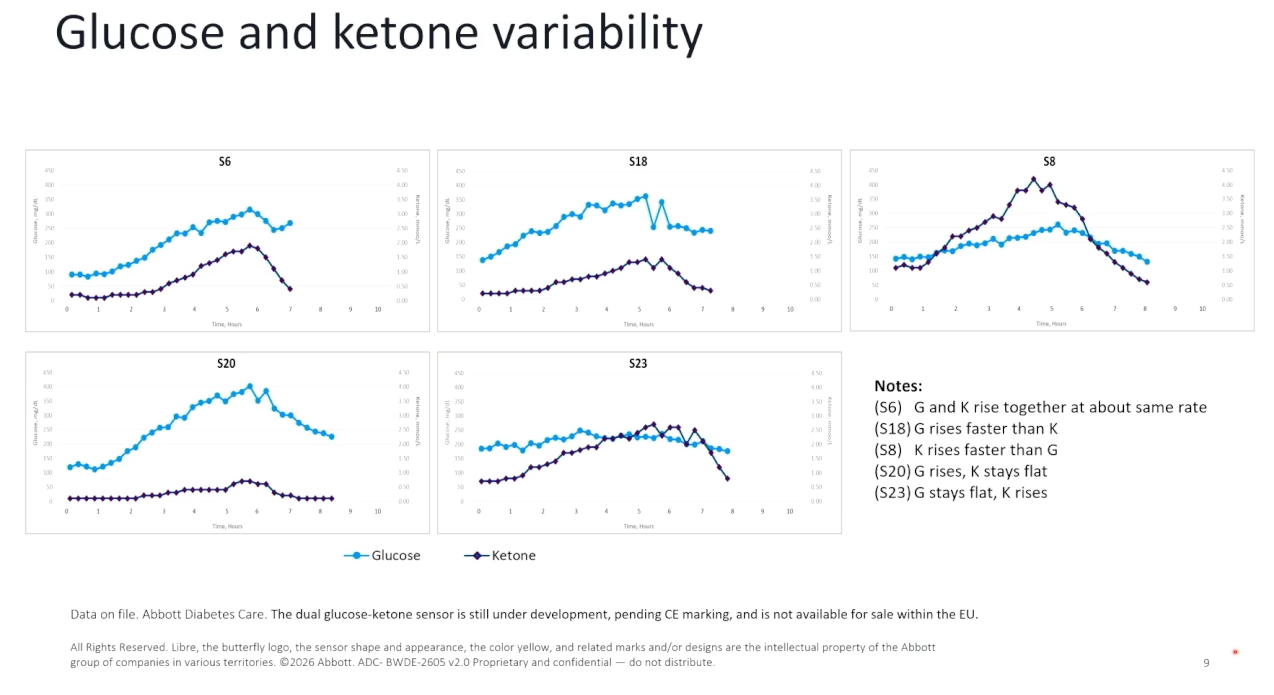
We also know that glucose and ketones do not always move together.
Ketones may rise while glucose remains in range.
That is precisely what makes continuous ketone monitoring potentially valuable—but also more difficult to interpret.
In many ways, continuous ketone monitoring today feels similar to where CGM was twenty years ago.
- The first version of the technology is ready.
- The clinical playbook still needs to be written.
4. Dexcom G8: Evolution Rather Than Revolution
Slide > Dexcom Investor Day May 14, 2026
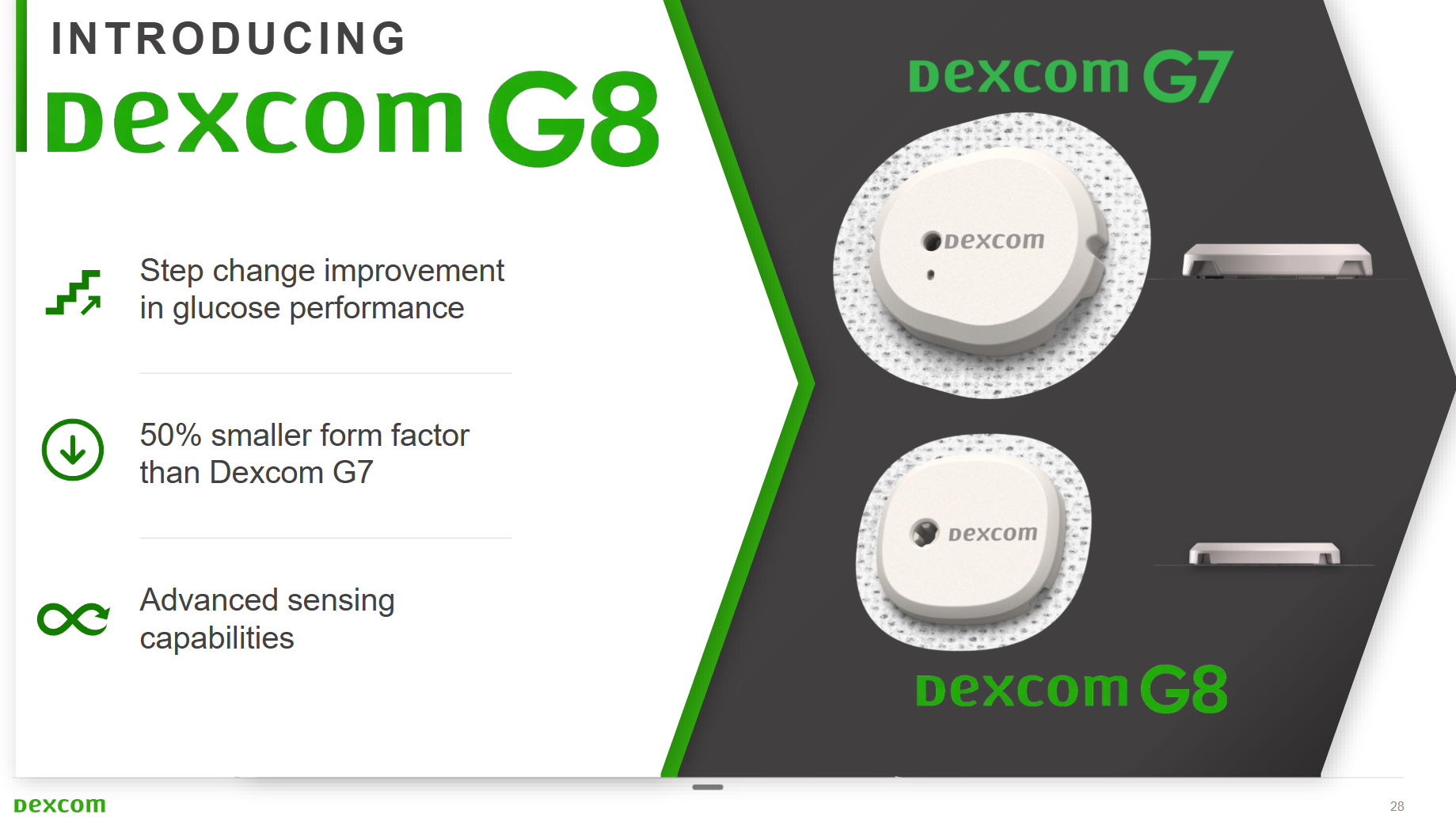
At its Investor Day, Dexcom revealed the first official image and specifications of the Dexcom G8.
Expected launch is late 2027 or early 2028.
The improvements are meaningful:
- 15-day wear time
- Approximately 50% smaller design
- Adaptive algorithm designed to reduce outlier readings
- Future multi-analyte capabilities
These are important advances.
But they also illustrate how mature the CGM market has become.
A few years ago, a smaller sensor with longer wear time would have fundamentally changed the competitive landscape.
Today, many manufacturers are already moving toward similar specifications.
By the time G8 launches, it will enter a market filled with highly accurate, small, long-lasting sensors.
The most interesting aspect may actually be what comes after launch.
Slide > Dexcom Investor Day May 14, 2026
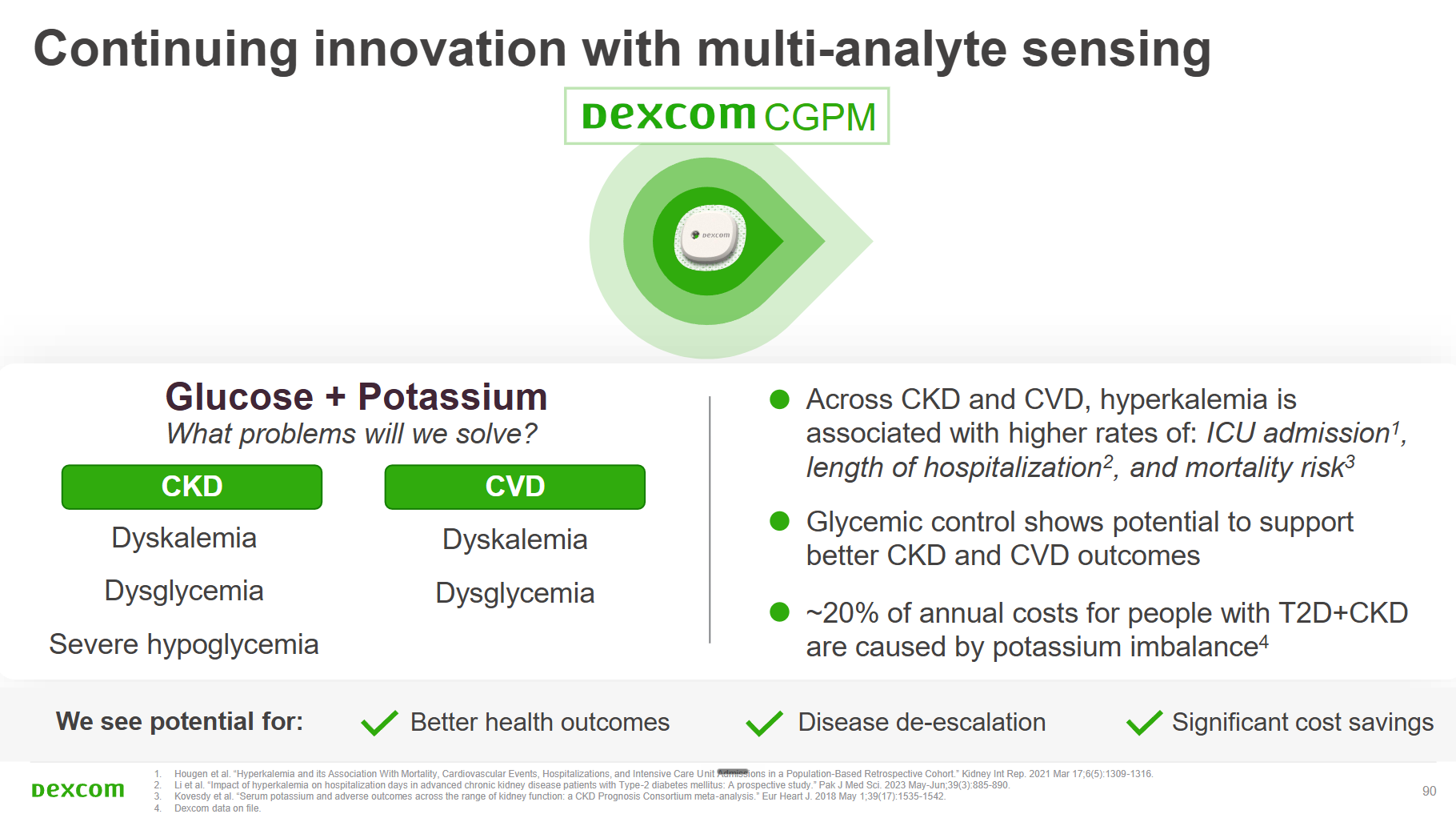
Dexcom has openly discussed future ketone and potassium monitoring capabilities.
Potassium monitoring is particularly intriguing.
- Many people with diabetes have chronic kidney disease and use medications that influence potassium balance.
- Hyperkalemia can be dangerous and is currently detected only through blood testing.
Yet an important question remains.
Would continuous potassium monitoring actually change outcomes?
Today, potassium is usually measured only a few times per year.
There are currently no validated thresholds for continuous interstitial potassium monitoring, nor established treatment algorithms based on continuous potassium data.
The technology is fascinating.
The clinical use case still needs to be proven.
The Multi-Analyte Race Has Started
Abbott is betting on ketones.
Dexcom is exploring ketones and potassium.
Eaglenos is working on lactate.
SiBionics already markets a continuous ketone monitor and is developing an integrated glucose-ketone platform.
The direction of travel is clear.
Future sensors will measure more than glucose.
The question is whether measuring more automatically creates more value.
Continuous glucose monitoring became successful because the use case was obvious.
People with diabetes make daily treatment decisions based on glucose levels.
The evidence base eventually demonstrated improvements in HbA1c, Time in Range, hypoglycemia, quality of life and healthcare utilization.
For ketones, potassium and lactate, we are still at the beginning of that journey.
The ability to measure something continuously does not automatically mean that doing so improves outcomes.
That evidence still needs to be generated.
Technology becomes transformative when it changes decisions, not simply when it creates more data.
Perhaps the Real Story Is Price
Looking across all announcements this month, one conclusion stands out.
The most important development may not be a new biomarker.
It may be the growing number of competitors.
More than twenty CGM systems now exist worldwide.
Chinese manufacturers are expanding internationally.
India is building local production capacity.
New companies continue entering the market.
This increasingly resembles a mature market.
And mature markets eventually become competitive on price.
That could be very good news.
Because while companies compete to measure ketones, potassium and lactate, millions of people with diabetes worldwide still lack access to continuous glucose monitoring altogether.
The evidence supporting CGM is already overwhelming.
- We know it improves outcomes.
- We know it reduces hypoglycemia.
- We know it improves quality of life.
- We know it works in type 1 diabetes.
- We know it helps many people with type 2 diabetes.
The biggest remaining challenge is no longer proving that CGM works.
It is making CGM accessible.
One Important Caveat
As more and more CGMs enter the market, it is tempting to view sensors as interchangeable commodities.
They are not.
Today, only a handful of CGM systems have accumulated the extensive clinical evidence, real-world experience and post-market surveillance data needed to earn broad trust among healthcare professionals and people with diabetes.
A quoted MARD value alone is not enough.
Accuracy studies need to be independently validated across different glucose ranges, populations and real-world conditions. This is particularly important for newer entrants, where published clinical evidence may still be limited.
Equally important is robust post-market surveillance.
History has shown that manufacturing issues can occasionally occur, even with established manufacturers. When they do, companies need systems in place to rapidly detect problems, communicate transparently and replace faulty sensors.
This is not a criticism of the newer entrants. Increased competition is healthy and ultimately benefits people with diabetes.
My hope is that the next generation of CGM manufacturers invests not only in product development, but also in the clinical studies, transparency and long-term follow-up needed to demonstrate that their sensors can be relied upon for day-to-day diabetes management.
Because when someone bases an insulin dose on a sensor reading, accuracy is not simply a technical specification.
It is a safety requirement.
Looking Ahead
I love innovation.
The engineers and scientists developing continuous ketone, potassium and lactate monitoring deserve enormous credit.
Some of these technologies may eventually transform diabetes care.
Perhaps all of them will.
But innovation alone is not enough.
The next decade will not be defined by what sensors can measure.
It will be defined by which measurements actually improve outcomes for people living with diabetes.
Until then, the most impactful innovation may not be a sensor that measures more.
It may simply be a sensor that costs less.
Because a CGM used by ten million people will often have a greater impact than a multi-analyte sensor used by ten thousand.
As diabetes technology continues to evolve at an extraordinary pace, staying up to date is becoming increasingly challenging.
Whether you are a healthcare professional, diabetes educator, person with diabetes, or family member, understanding the strengths, limitations, and practical use of different CGM systems is essential for making informed decisions.
At Diabetotech, we have developed more than 20 independent, peer-reviewed CGM courses covering both established and emerging glucose monitoring technologies. These courses provide practical guidance on sensor insertion, glucose data interpretation, alarms and alerts, accuracy considerations, data sharing, troubleshooting, and real-world user experiences.
Explore all CGM courses here:
https://www.diabetotech.com/all-courses
Because the future of diabetes technology is not only about new sensors—it is about knowing how to use them effectively.
Kind regards,
Inge
Diabetotech