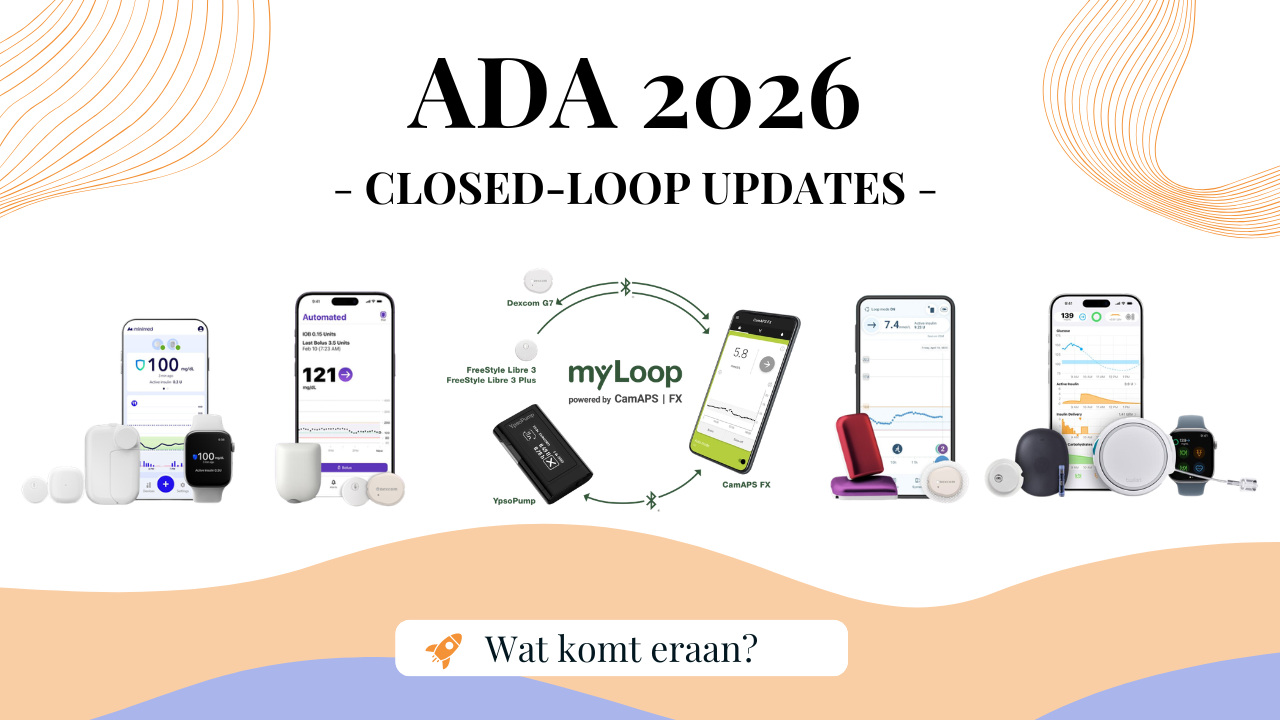
Closed-Loop Updates from ADA 2026
Jun 18, 2026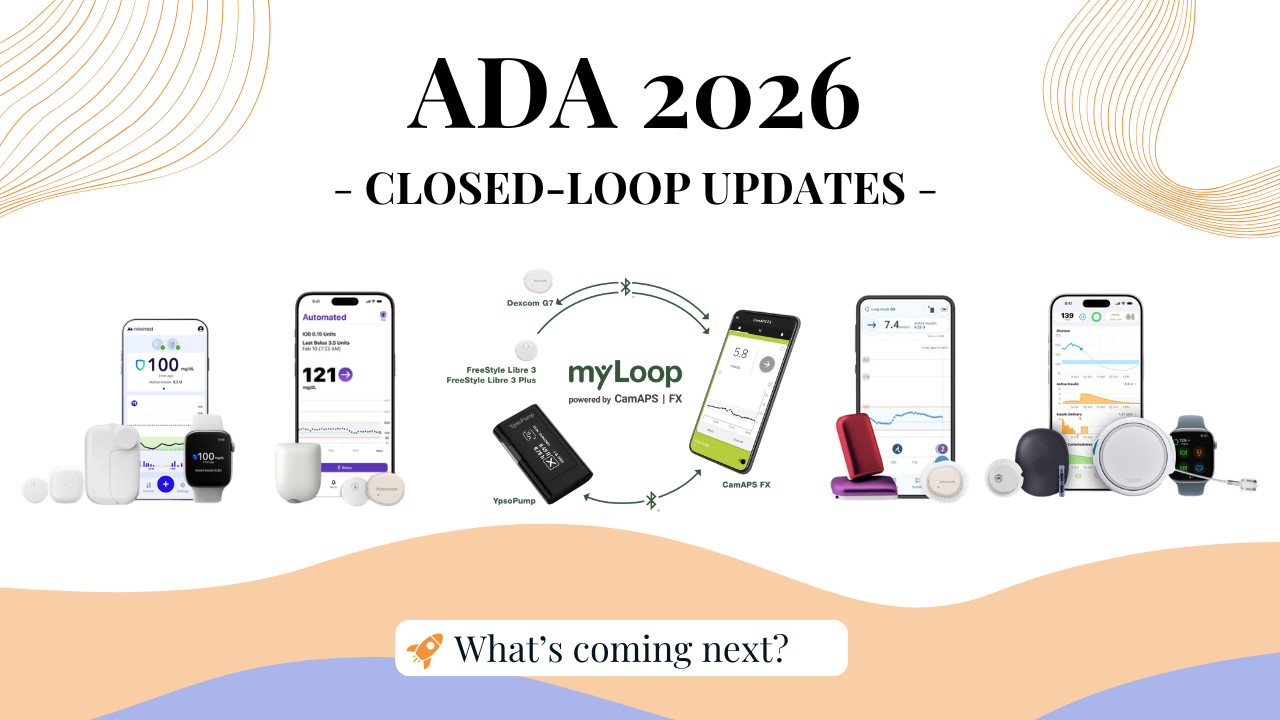
Earlier this month, the American Diabetes Association (ADA) Scientific Sessions took place in Chicago, bringing another wave of updates in automated insulin delivery (AID). As expected, most major manufacturers used the meeting to share new clinical data, product launches and future roadmaps.
AID systems remain the preferred treatment option for most people using intensive insulin therapy and should be started as early as possible whenever feasible.
The updated ADA Standards of Care published earlier this year continue to support this approach.
What I find encouraging is that innovation has clearly not slowed down. Although commercial AID systems have now been available for more than 10 years, companies continue to push the technology forward.
We are seeing:
- More advanced algorithms
- More automation
- Less dependence on precise carbohydrate counting
- More patch pumps
- Expanding indications beyond type 1 diabetes
Several companies are now openly discussing systems that may eventually require only optional meal announcements. At the same time, nearly every major manufacturer has a patch pump somewhere in its pipeline.
The future of diabetes technology is not more work for the user. It is less.
Here is an overview of the most important announcements from MiniMed, Insulet and Tandem, followed by updates from CamAPS FX, Beta Bionics, Diabeloop, Medtrum, Sequel MedTech, the open-source community and several emerging technologies.
1. MiniMed
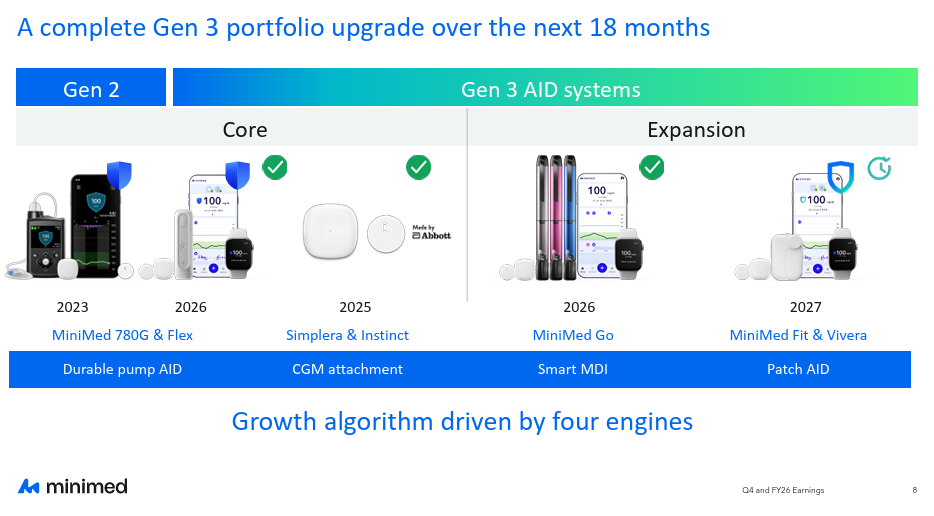
Image > MiniMed’s Investor Update on June 3, 2026
MiniMed arguably presented the most comprehensive roadmap.
Over the next two years, the company plans to expand from a traditional pump manufacturer into a broader ecosystem that includes smart MDI, tubed pumps, patch pumps, smartphone control and increasingly advanced automation.
- MiniMed 780G + Simplera Sync: The system has now launched in both the United States and Europe. Previous supply limitations have been resolved. Launches in Canada and Australia are planned, while timelines for Asia, Latin America, and the Middle East remain unclear.
- MiniMed 780G + Instinct: Already available in the United States, with rollout underway in selected European countries.
- MiniMed Go: MiniMed's smart pen ecosystem has launched in the United States using Instinct Go and Simplera. European rollout has started with Simplera and is expected to expand country by country after summer with Instinct Go integration.
- MiniMed Flex: The smaller next-generation tubed pump is already available in the US with Simplera Sync. Instinct integration is expected during Q3 2026, while European launch is planned for early 2027. A nice additional feature is the availability of various colorful protective cases, allowing users to personalize their pump.
- Vivera algorithm: Perhaps the most interesting development. Vivera is designed around optional meal bolusing and is expected to become available as a software update for both MiniMed 780G and MiniMed Flex in 2027.
- MiniMed + Libre Duo: MiniMed also announced an expanded agreement with Abbott to collaborate on commercializing dual glucose-ketone sensors designed to integrate exclusively with MiniMed smart dosing systems. No timeline has yet been announced.
- MiniMed Fit: A 300-unit patch pump with 7-day wear is progressing toward FDA submission later this year. Launch is currently expected in 2028.
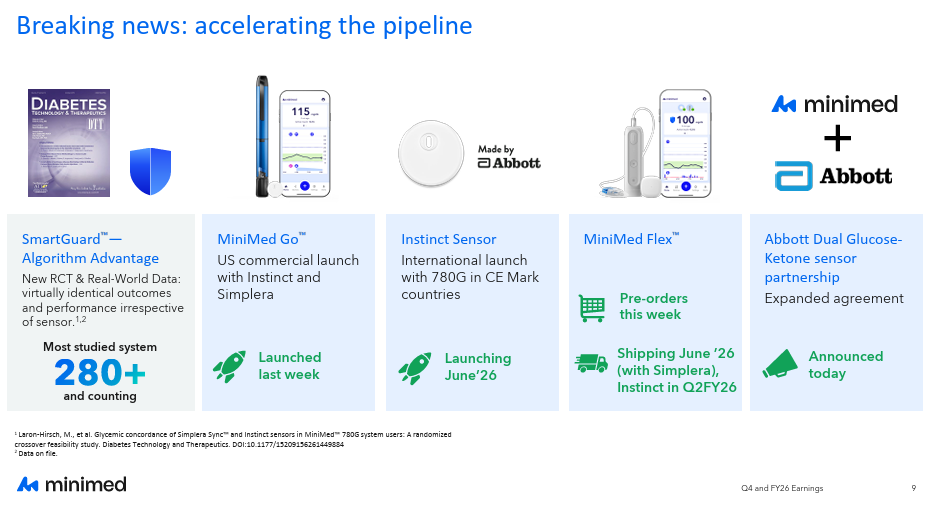
Image > MiniMed’s Investor Update on June 3, 2026
Looking at the entire roadmap, it is becoming increasingly clear where MiniMed wants to go.
One app.
One algorithm.
Multiple ways to deliver insulin.
By 2028, users may be able to choose between smart MDI, tubed pumps and patch pumps while remaining within the same ecosystem.
That seems like a very attractive proposition.
2. Omnipod
Sometimes small changes have a surprisingly large impact on daily life.
That seems to be the philosophy behind Omnipod's latest updates.
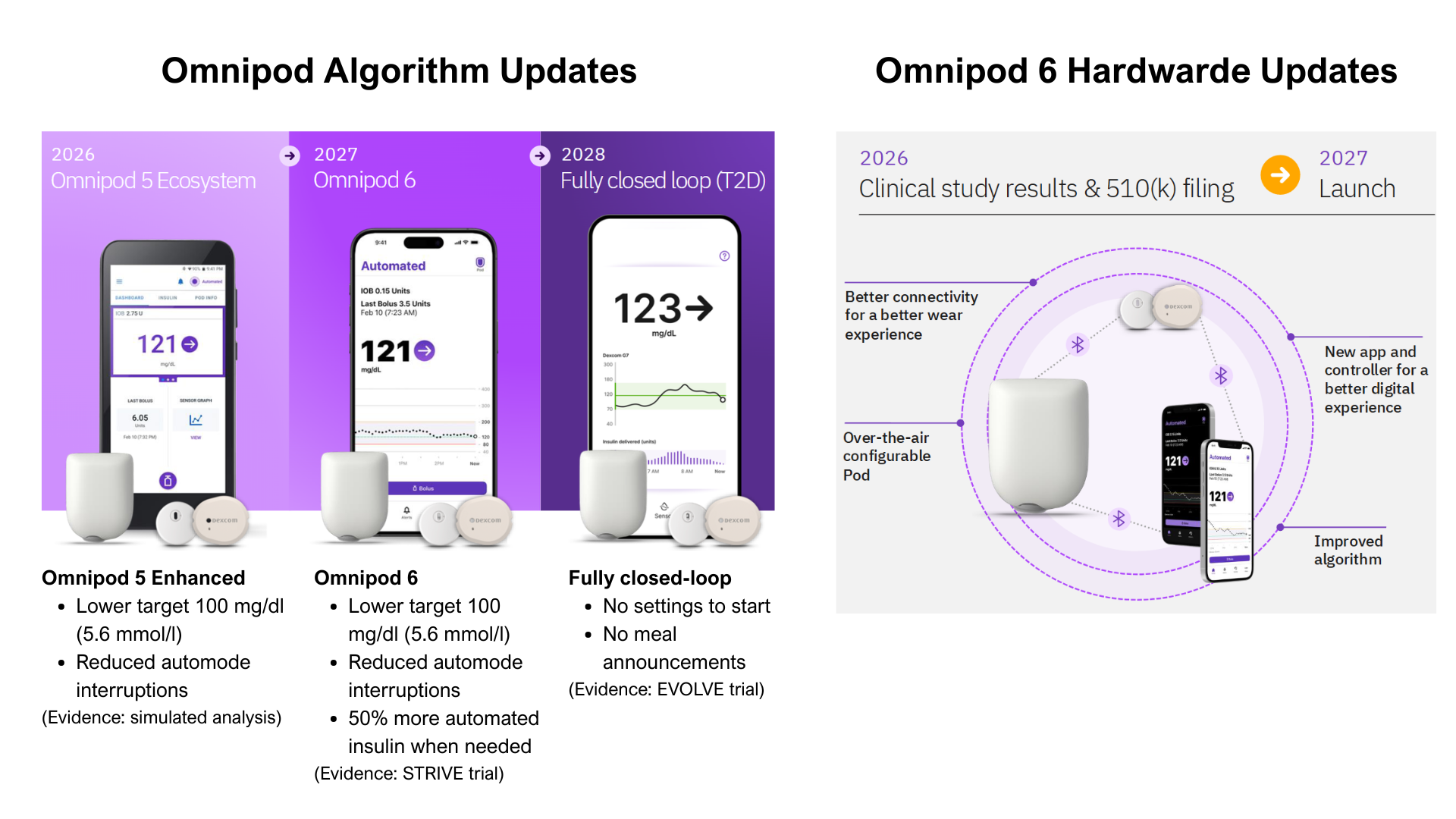
Omnipod 6
Compared with Omnipod 5, Omnipod 6 introduces three major improvements:
- Lower glucose target: The system introduces a lower target glucose of 100 mg/dL (5.6 mmol/L). Many experienced users have been requesting lower targets for years, so this is a welcome addition.
- Improved alarm handling: The second major improvement concerns automated mode interruptions. The new Check Blood Glucose Advisory Alarm replaces the Automated Delivery Restriction alarm. The practical consequence is that users no longer need to switch into manual mode for five minutes after acknowledging the alarm. During prolonged hyperglycaemia, the system remains in automated mode and continues delivering automatic corrections every five minutes. These may sound like small changes, but they address some of the most common frustrations users report with current systems.
- More automated insulin delivery: The third update is an adaptive automated rate capable of delivering up to 50% more automated insulin when needed.
Again, the direction is clear:
More work from the algorithm.
Less work from the user.
"Enhanced" Omnipod 5
Interestingly, users do not need to wait until 2027 to benefit from some of these improvements.
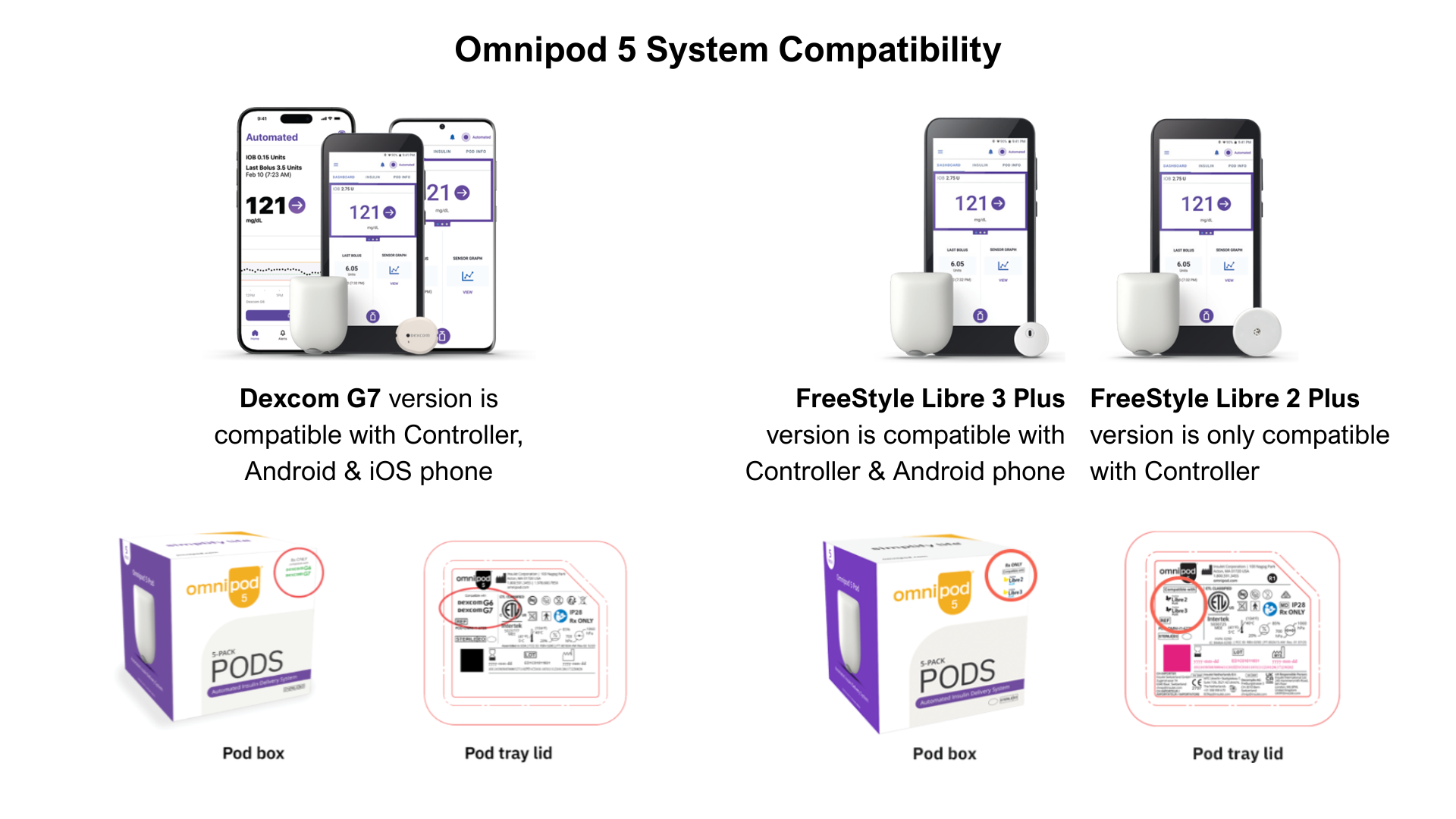
The first two enhancements have already launched in June for current Omnipod 5 users in the United States under the name Enhanced Omnipod 5, together with compatibility for FreeStyle Libre 3 Plus.
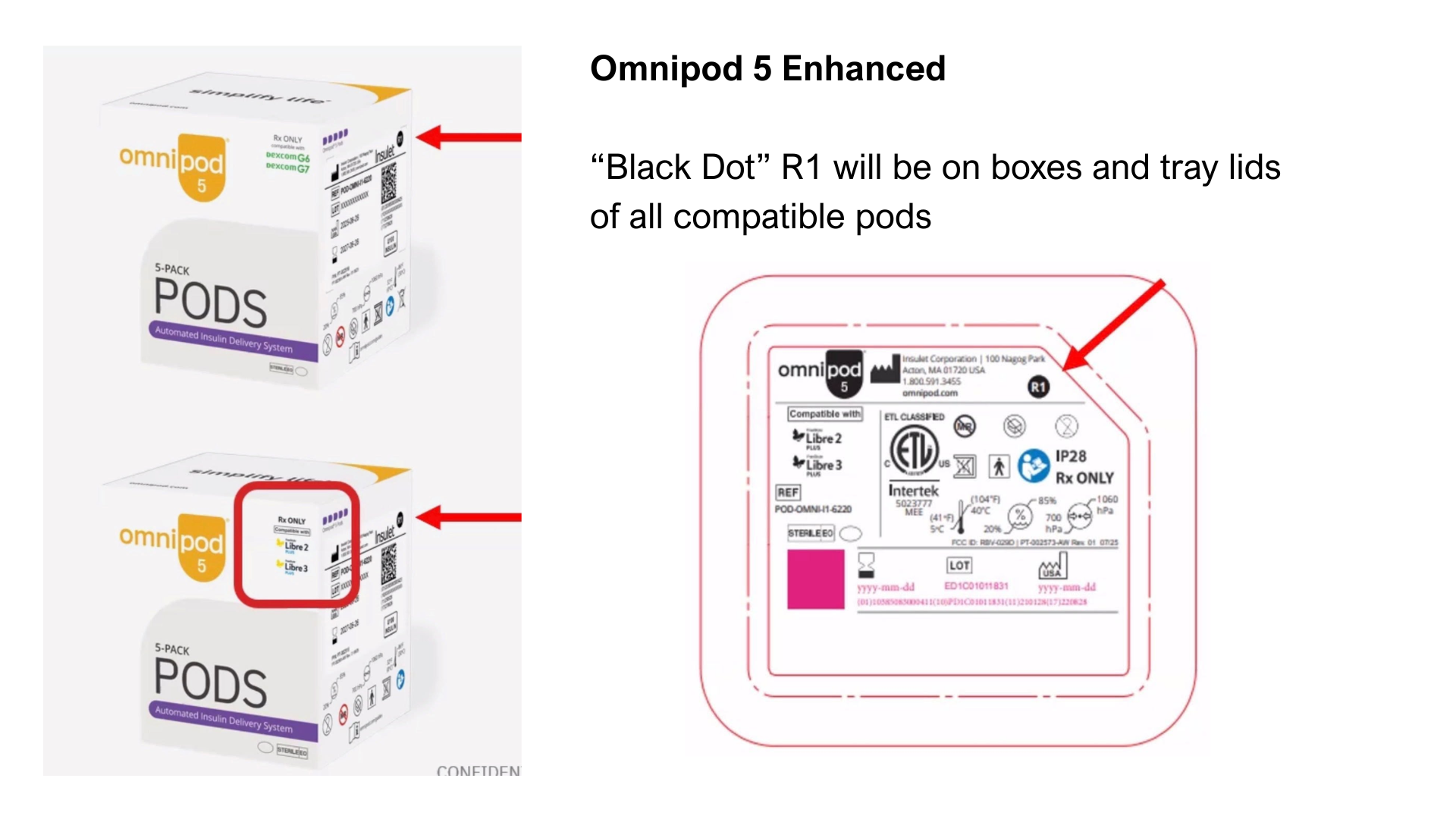
A few practical points:
- Users need both compatible pods and the algorithm update.
- The software update is delivered automatically.
- iPhone users remain limited to Dexcom integration.
- Libre 2 Plus and Libre 3 Plus currently require compatible controllers or Android devices.
- Compatible pods are marked with a black "R1" dot on the packaging.
Insulet mentions a simulated analysis suggesting improved TIR when using the new 100 mg/dL target compared with higher target settings, without a meaningful increase in hypoglycaemia. However, these data have not yet been formally published.
STRIVE Trial
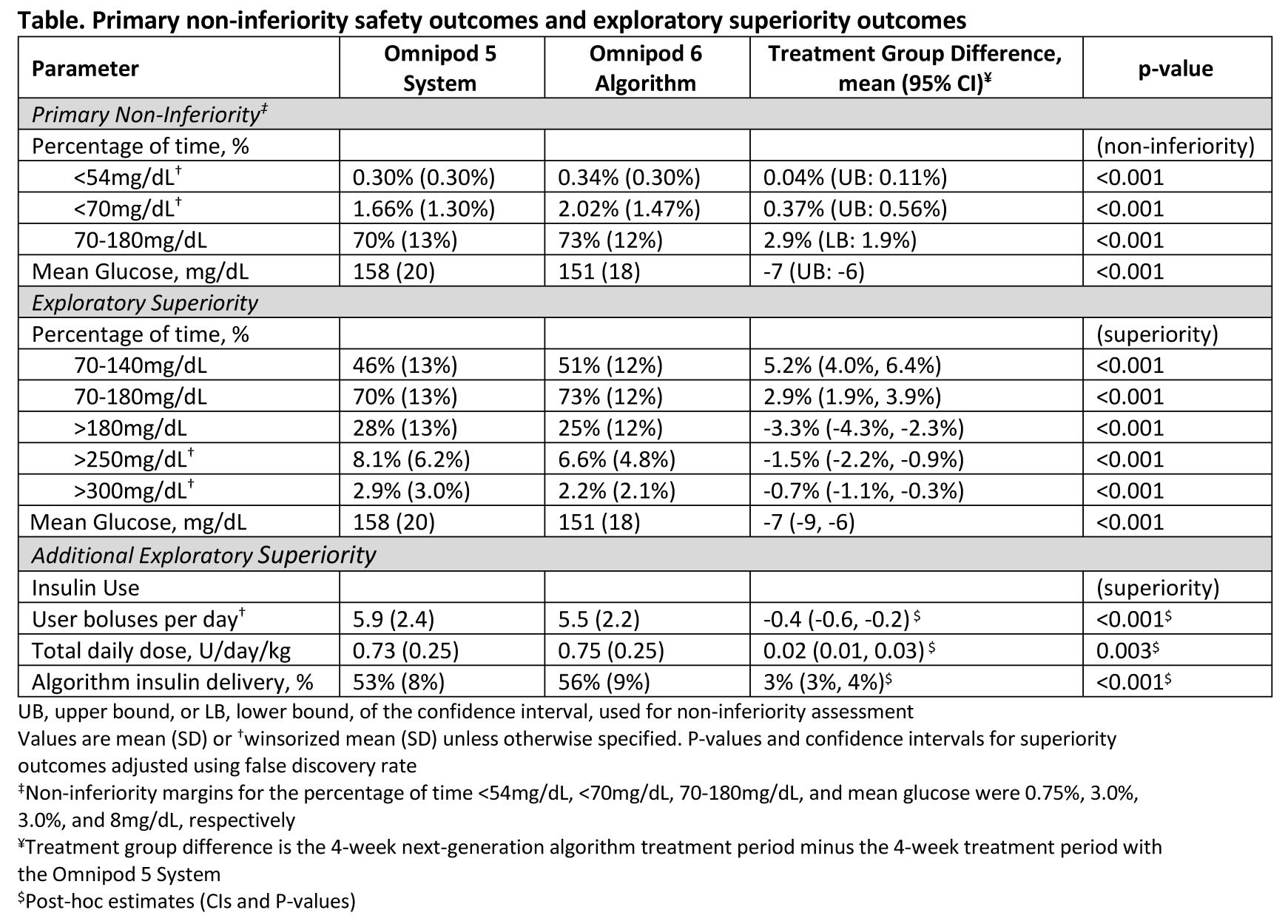
ADA also featured results from the STRIVE study comparing Omnipod 5 and Omnipod 6.
The crossover study included 132 participants from 11 centres in the United States:
- 99 with type 1 diabetes
- 34 with type 2 diabetes
Participants used Omnipod 5 for four weeks and Omnipod 6 for four weeks.
Results showed:
- Time in range: 70% → 73%
- Time below range: 1.7% → 2.0%
- No severe hypoglycaemia
- No DKA
While statistically significant, the overall improvement of approximately 3% TIR is relatively modest.
Omnipod 6 appears to be an evolution rather than a revolution.
3. Tandem Control-IQ+
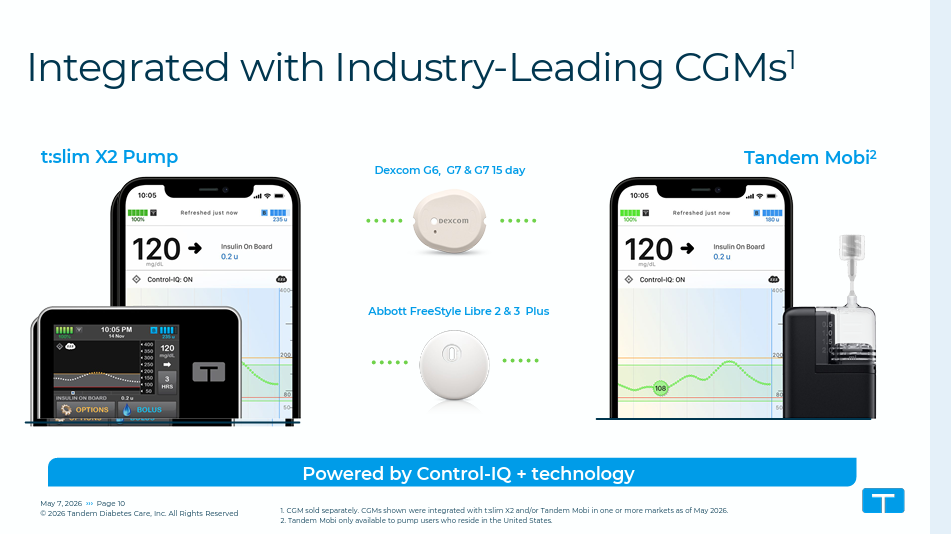
Image > Investor update May 7, 2026
Tandem's biggest announcement was not a new device.
It was the expansion of Control-IQ+ to new populations.
Tandem received CE Mark approval in Europe for:
- Adults with type 2 diabetes
- People with type 1 diabetes during pregnancy
This approval applies to both the t:slim X2 and Tandem Mobi insulin pumps.
Interestingly, European users have until now only had access to the original Control-IQ algorithm, despite Control-IQ+ being available in the United States and having received CE Mark approval as early as March 2025.
What is new with Control-IQ+?
Compared with the original version, Control-IQ+ offers:
- Broader insulin dosing support (5–200 U/day vs 10–100 U/day)
- Wider weight range (9–200 kg vs 25–140 kg)
- Extended boluses up to 8 hours while automation remains active
- Temporary basal rates without disabling automation
First real-world data look reassuring
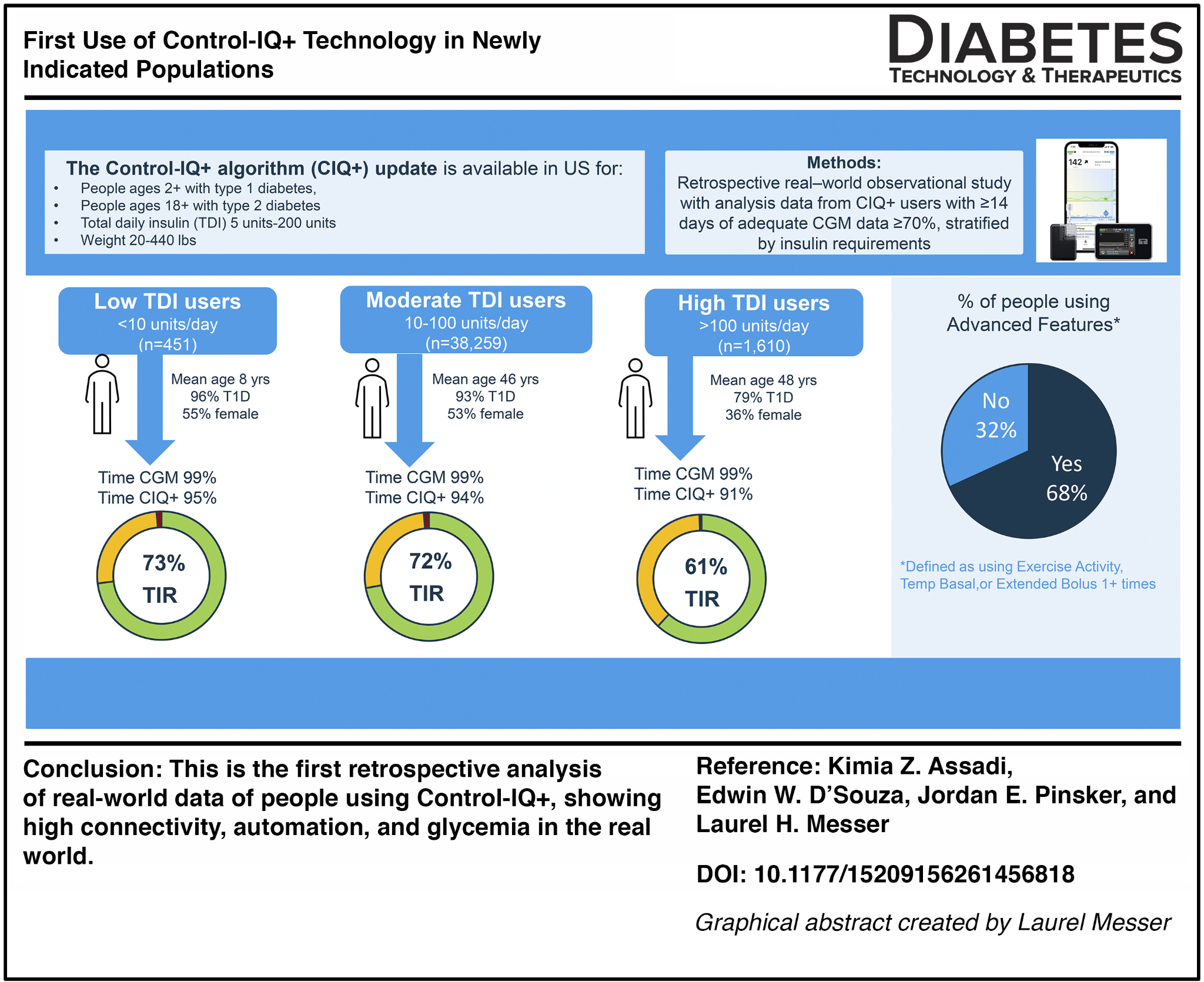
A recently published real-world analysis evaluated more than 40,000 Control-IQ+ users across the newly expanded insulin-dose ranges.
- TIR in people with low (<10 U/day) and moderate (10–100 U/day) insulin needs, was 73% and 72% respectively.
- Users requiring more than 100 U/day achieved a lower TIR of 61%, although this likely reflects the greater complexity and insulin resistance of this population rather than a limitation of the algorithm itself.
One particularly interesting finding was that the majority of users rarely used the new advanced features such as temporary basal rates and extended boluses. Despite this, glycemic outcomes remained strong, suggesting that most users can benefit from Control-IQ+ without actively relying on these additional tools.
What comes next?
The t:slim X2 is already available in several European countries, while Tandem Mobi is expected to launch in selected European markets during the second half of 2026.
For many European pump users, Mobi remains one of the most anticipated launches of the coming year.
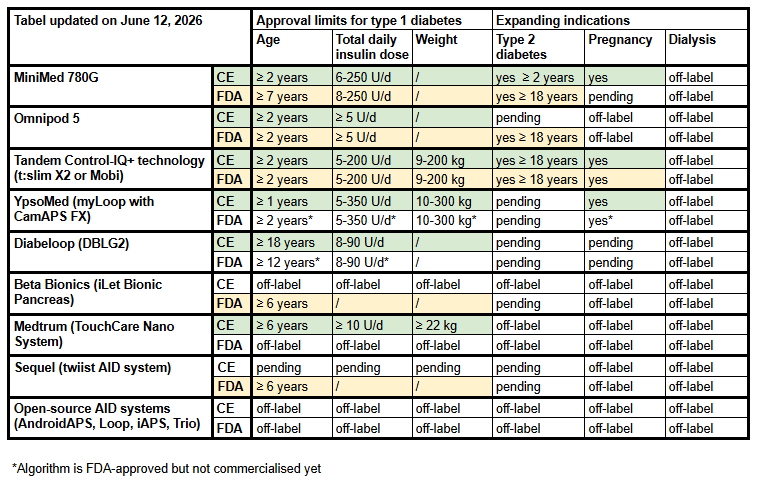
For those tracking diabetes technology and regulatory approvals globally, here is our updated overview of CE and FDA indications across current AID systems. ⬇️
4. CamAPS FX
CamAPS FX did not announce a major new device update at ADA 2026, but there were two interesting updates worth highlighting.
New Name: mylife Loop becomes myLoop
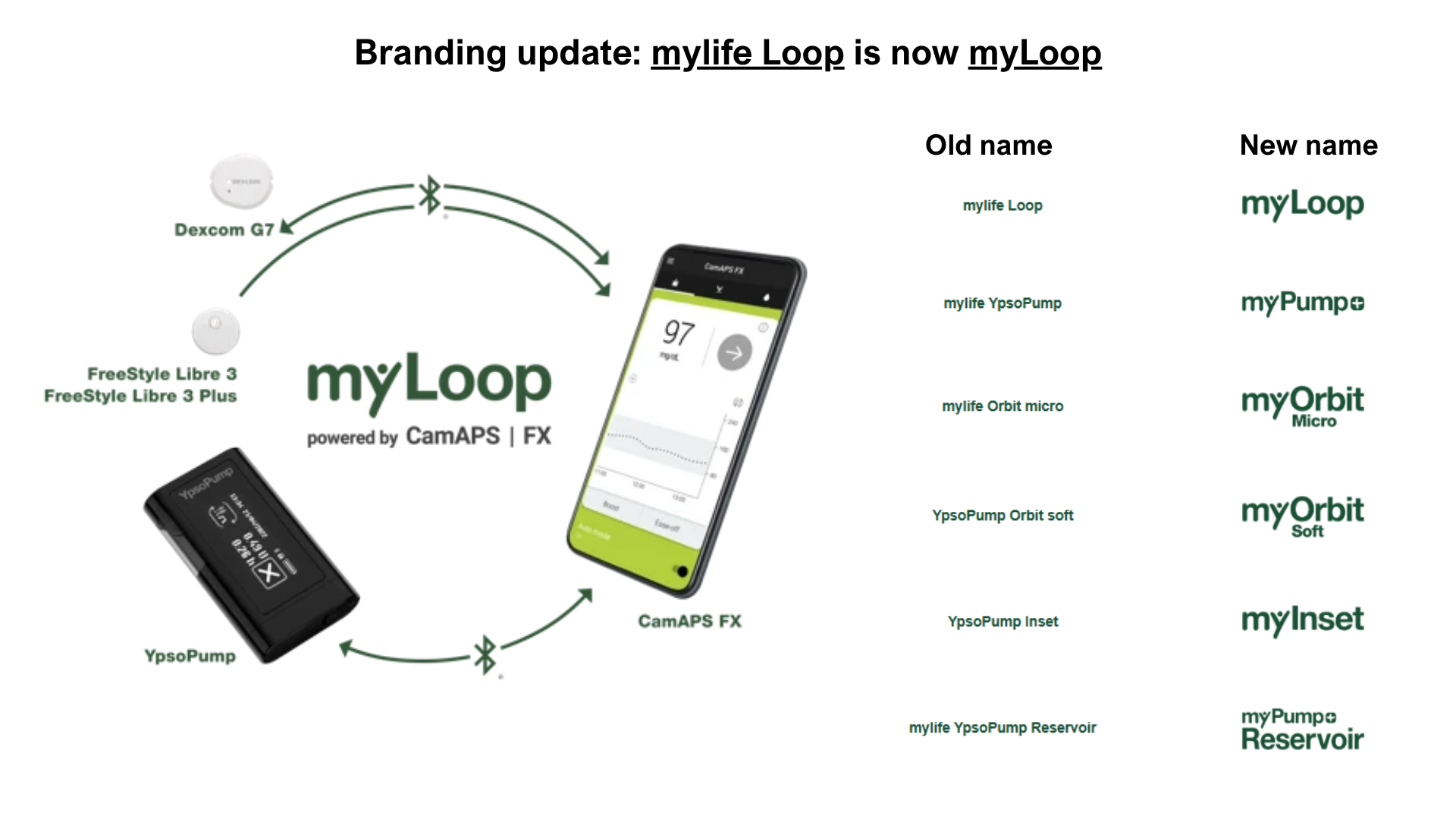
As of June 1st, mylife Diabetes Care has introduced a new brand identity. The most visible change for users is that mylife Loop is now called myLoop. Other product names have also been updated and the company has launched a redesigned website.
Fortunately, this is purely a branding change.
The products, compatibility and support remain unchanged. During the transition period, products with old and new names may coexist, but they remain fully compatible with one another.
Can Meal Estimation Replace Carbohydrate Counting?
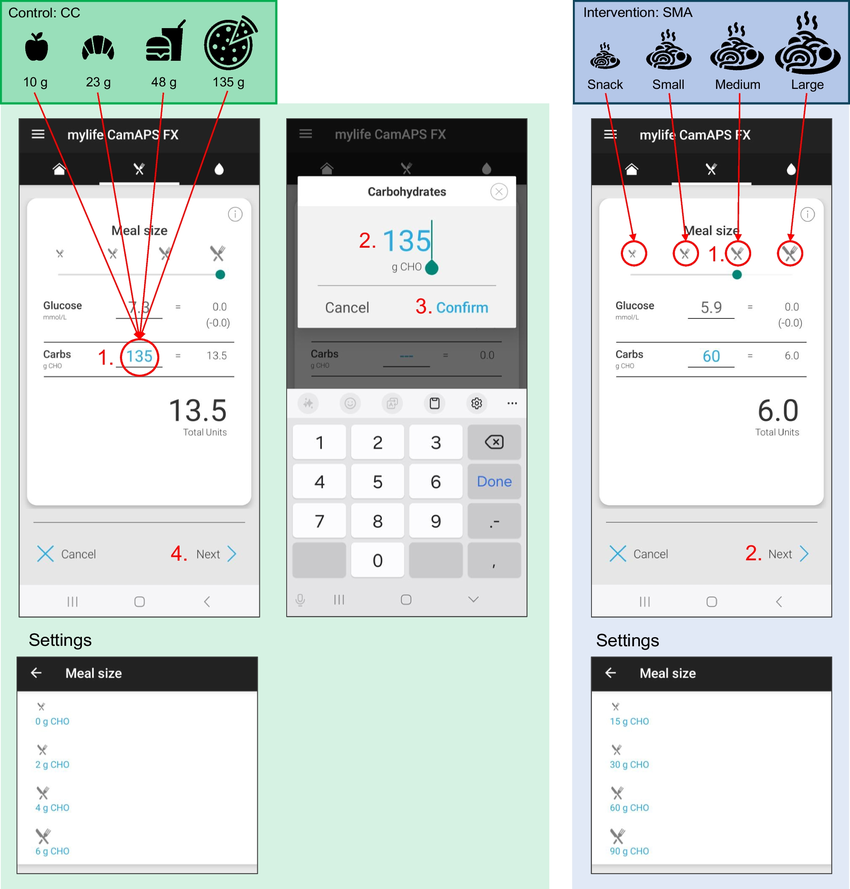
Image > Laesser et al. SMASH trial. Diabetologia 2024
One of the CamAPS studies presented at ADA focused on a question many people with diabetes have asked themselves:
Do I really need to count every gram of carbohydrate?
Researchers followed 34 adults with type 1 diabetes using the myLoop system for six months.
Participants were divided into two groups:
Precise carbohydrate counting (n=17)
- Time in range: 52% → 70%
- Time below range: 1.7% → 2.0%
- HbA1c: 7.6% → 6.8%
- Total daily insulin: 59 → 54 U/day
Meal estimation (n=17)
- Time in range: 59% → 65%
- Time below range: 3.0% → 2.0%
- HbA1c: 7.8% → 7.1%
- Total daily insulin: 52 → 48 U/day
Most importantly, there were no statistically significant differences between the groups.
This does not mean carbohydrate counting is obsolete.
However, it does suggest that for many users, estimating meal size may achieve similar outcomes while reducing daily burden.
That aligns with a broader trend we are seeing throughout the industry.
The future may not be better carbohydrate counting.
The future may be less need for carbohydrate counting.
5. Beta Bionics
Beta Bionics brought several interesting updates, highlighting that the company is continuing to expand beyond the current iLet system.
Mint Patch Pump Expected in 2027
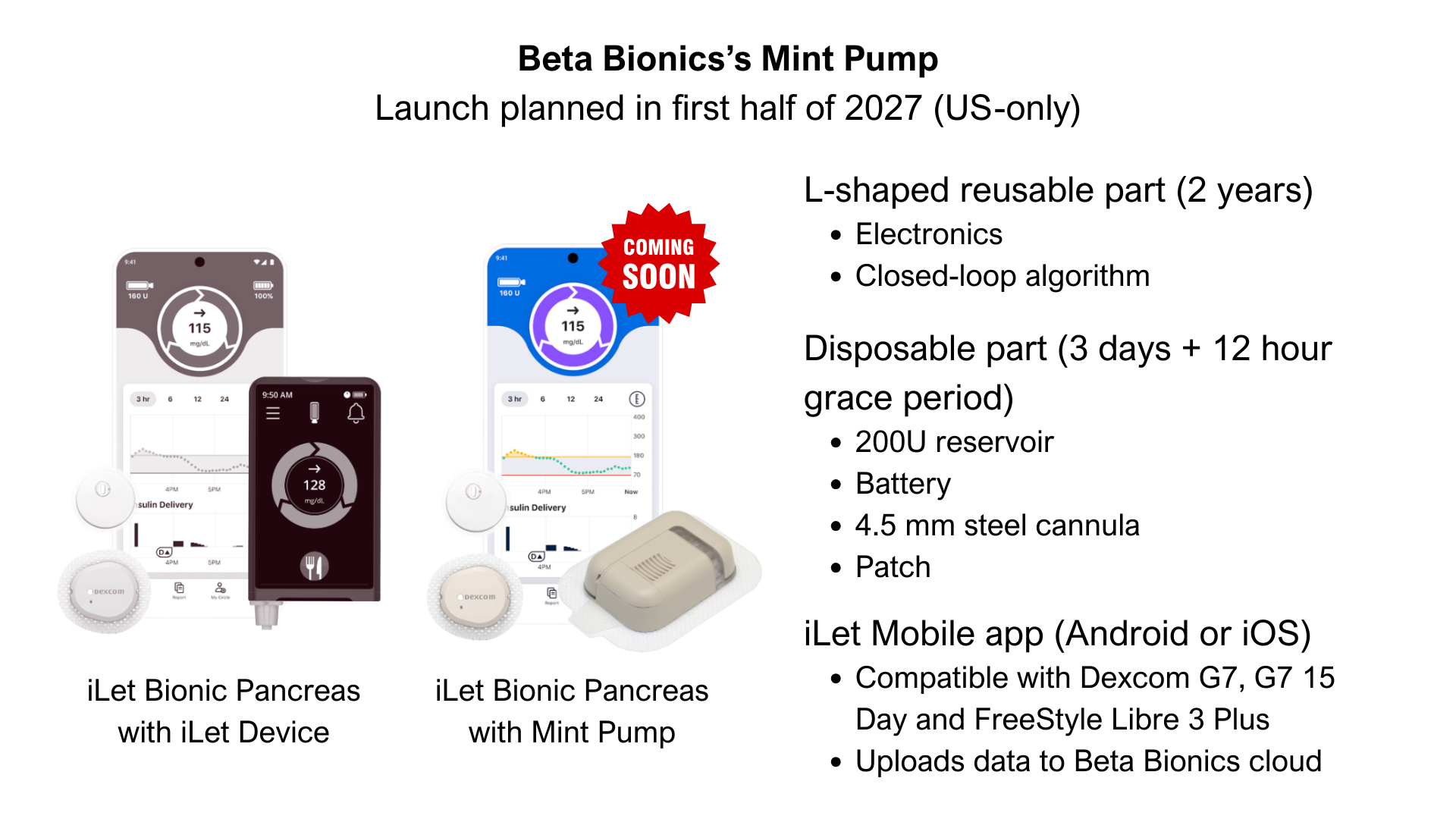
Beta Bionics announced that it now expects to fully commercialize its Mint patch pump by the end of the second quarter of 2027, pending FDA clearance.
This will be the company's first patch pump and should allow Beta Bionics to compete more directly with systems such as Omnipod and future patch pumps from MiniMed and Tandem.
Real-World Data Dashboard Goes Public
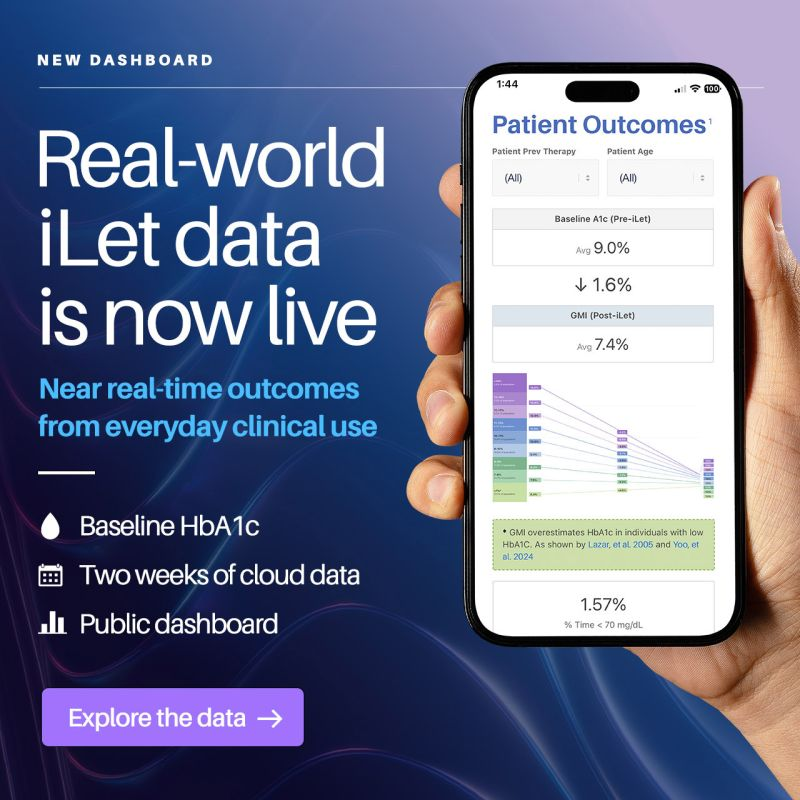
Perhaps even more interesting was the launch of Beta Bionics' new real-world outcomes dashboard.
The company claims to be the first AID manufacturer to publish near real-time real-world data on a public website, allowing anyone to explore outcomes across the entire iLet user population.
The dashboard includes all iLet users who have both a provider-reported baseline HbA1c and at least two weeks of uploaded cloud data.
Every patient. Every baseline. Every outcome. No filters and no fine print.
This level of transparency is unusual in diabetes technology and provides a unique opportunity to explore how the system performs in routine clinical practice.
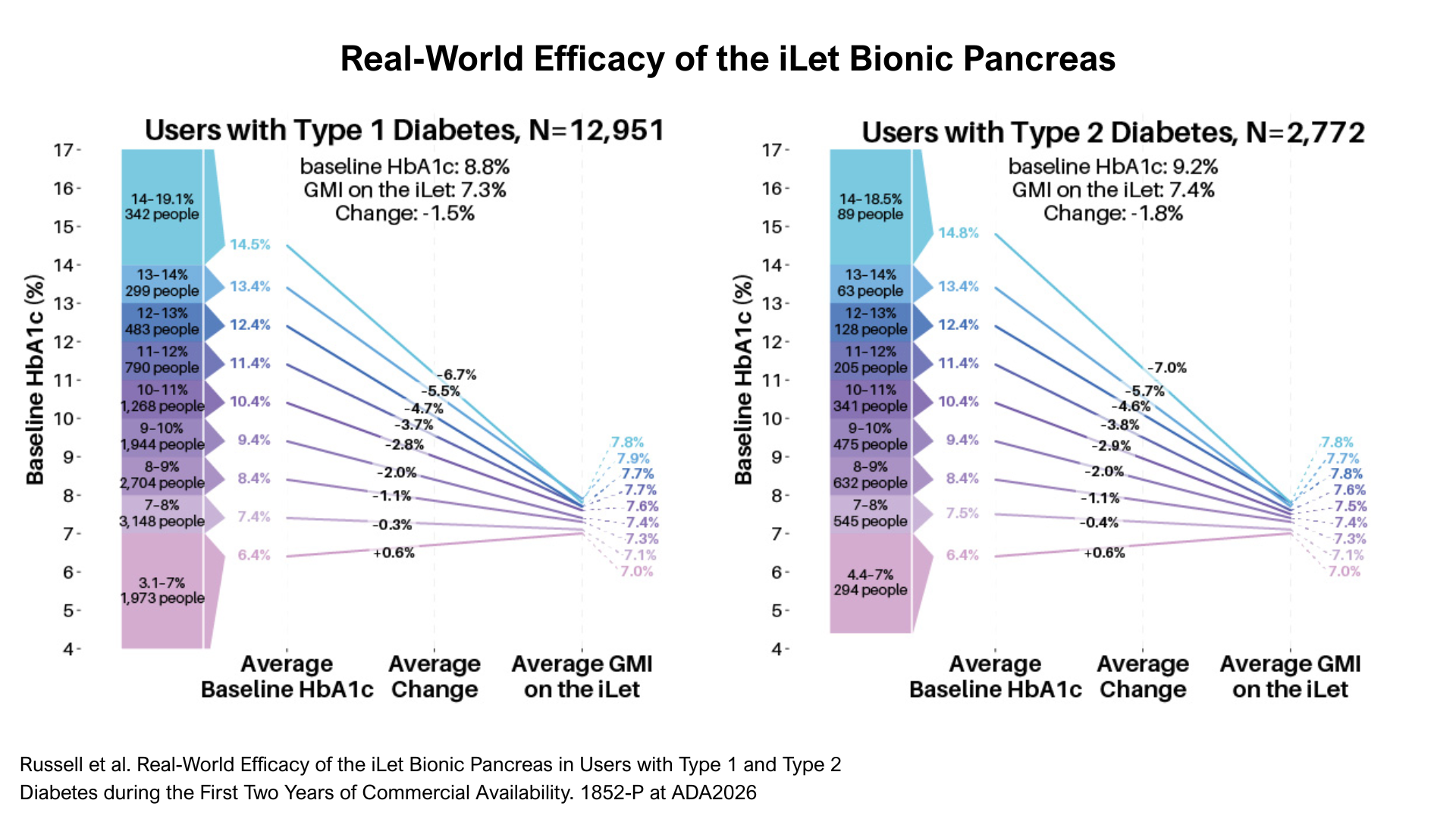
The value of this approach was reinforced by two ADA 2026 posters based on more than 16,000 commercial iLet users.
> The data showed substantial improvements in glycaemic control in both type 1 and type 2 diabetes, with average HbA1c-to-GMI reductions of 1.5% and 1.8%, respectively, while maintaining very low rates of severe hypoglycaemia. Particularly striking were the outcomes in users starting with extremely poor glycaemic control, where average GMI values approached the high-7% range despite baseline HbA1c levels above 14%.
> A second ADA poster showed that despite requiring only body weight at initiation, the iLet reached its long-term TIR after a median of just 1.5 days in more than 30,000 commercial starts. While some metrics continued to fine-tune over the following days, all outcomes stabilised within two weeks, suggesting that the system's simplified setup does not delay meaningful glycaemic improvement.
New Practical Guidance for Clinicians
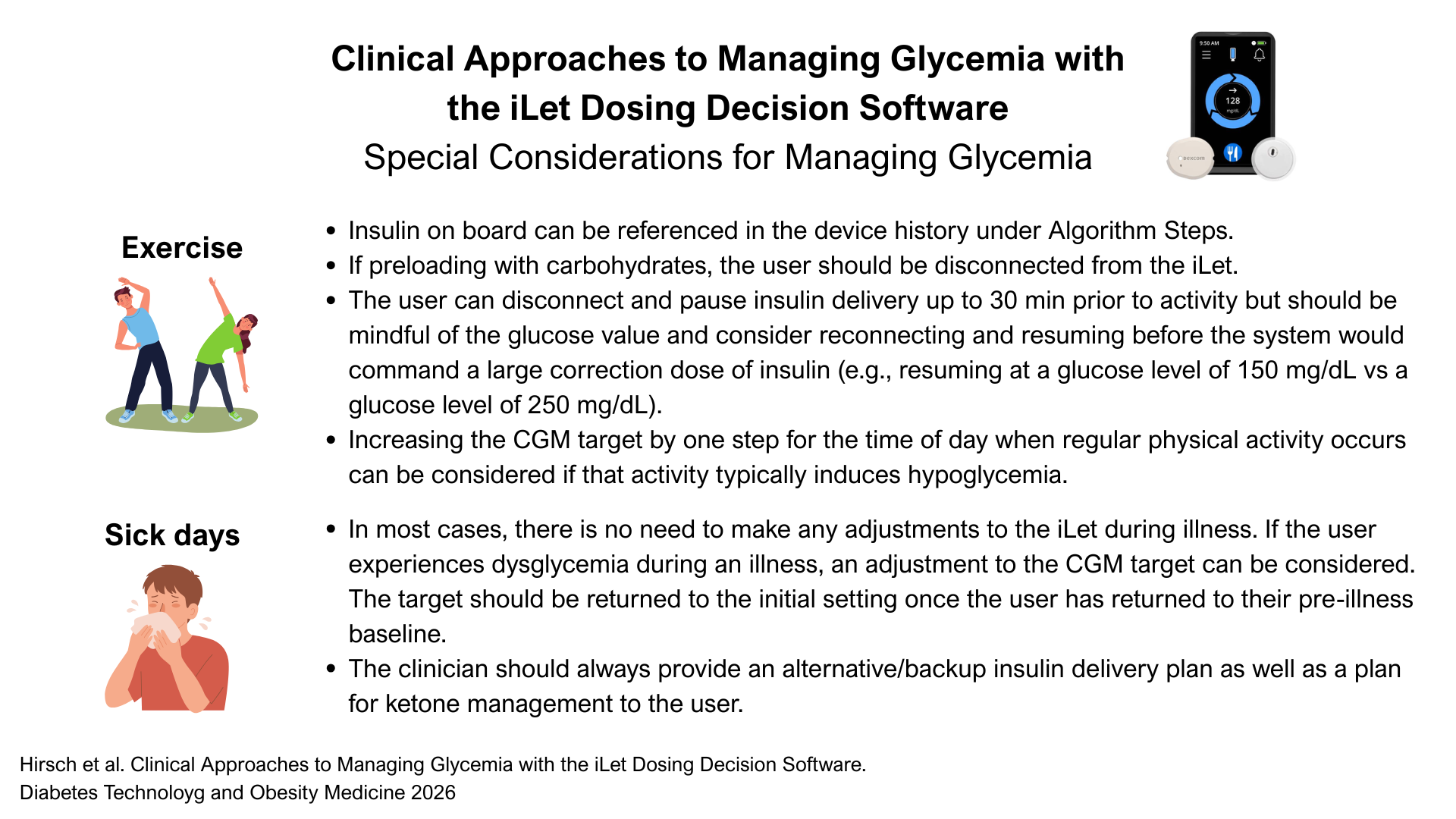
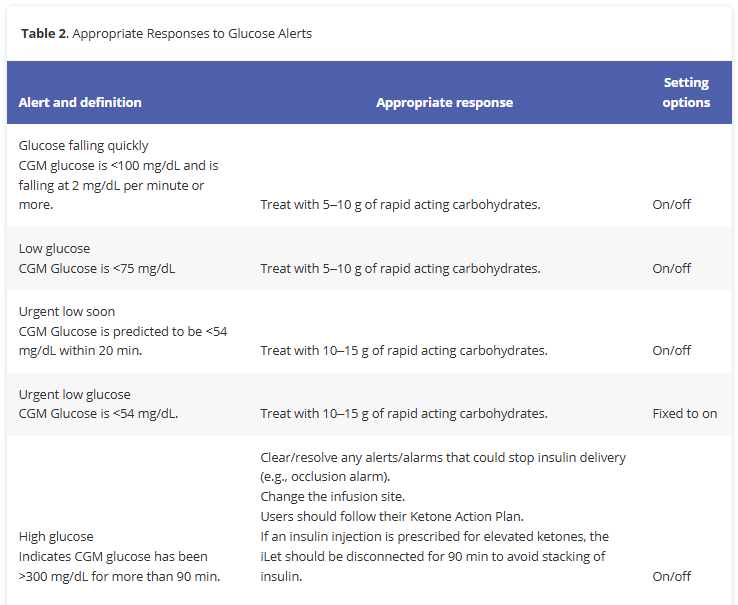
Beta Bionics also presented new practical guidance for healthcare professionals and published the open-access paper Clinical Approaches to Managing Glycemia with the iLet Dosing Decision Software.
The publication focuses on supporting iLet users in both routine and more challenging clinical situations.
One message stood out to me:
As algorithms become increasingly adaptive, the role of the clinician shifts from device setting management toward education and behavioural support.
This is particularly relevant for the iLet system. Many clinicians initially feel somewhat powerless because there are virtually no pump settings to adjust.
However, the publication highlights that success with highly automated systems increasingly depends on patient education, meal announcement strategies, troubleshooting and behavioural support rather than fine-tuning insulin delivery parameters.
As automated insulin delivery continues to evolve, this may become a broader trend across the entire field.
6. Diabeloop
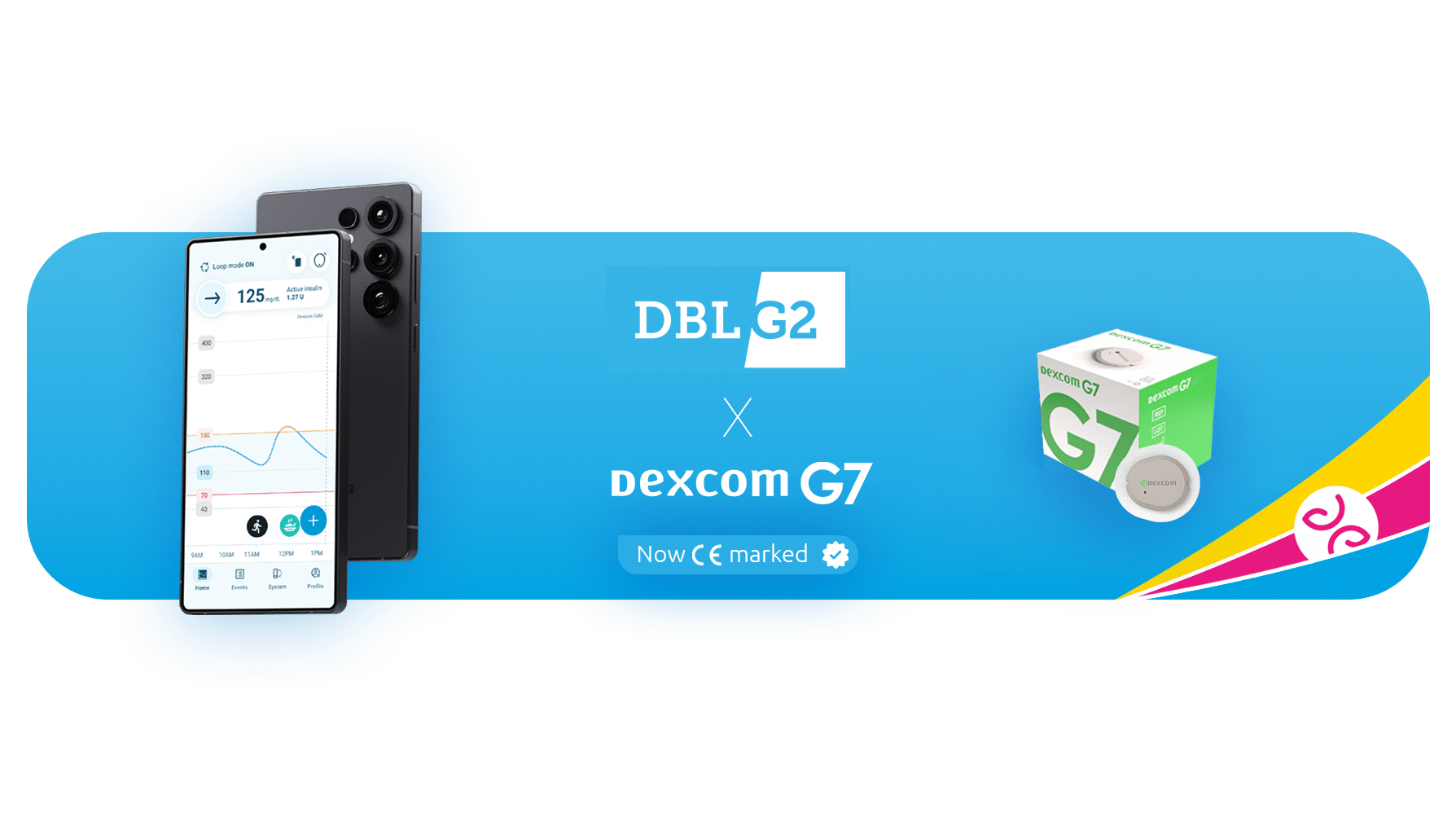
The biggest news is that DBLG2 has now received CE marking.
Importantly, the commercial rollout is being driven by Kaleido manufacturer ViCentra, which serves as Diabeloop's distribution partner for this combination.
- The first launch of the DBLG2–Kaleido system is planned for Germany in July 2026, with the Netherlands expected to follow shortly thereafter.
- The launch timeline for France has not yet been finalized and remains under discussion.
This makes Diabeloop one of the newer commercial AID systems entering the European market and adds another competitor to an increasingly crowded field.
Real-World Performance of DBLG1
Diabeloop also presented long-term real-world data from approximately 2,000 people using DBLG1.
The results are impressive:
- Median TIR: 72%
- TBR: 1.3%
Importantly, these outcomes remained stable over a full year of use.
The data come from the OBS36 study, with full publication expected later this year.
Exercise Research
Physical activity remains one of the biggest challenges for automated insulin delivery systems.
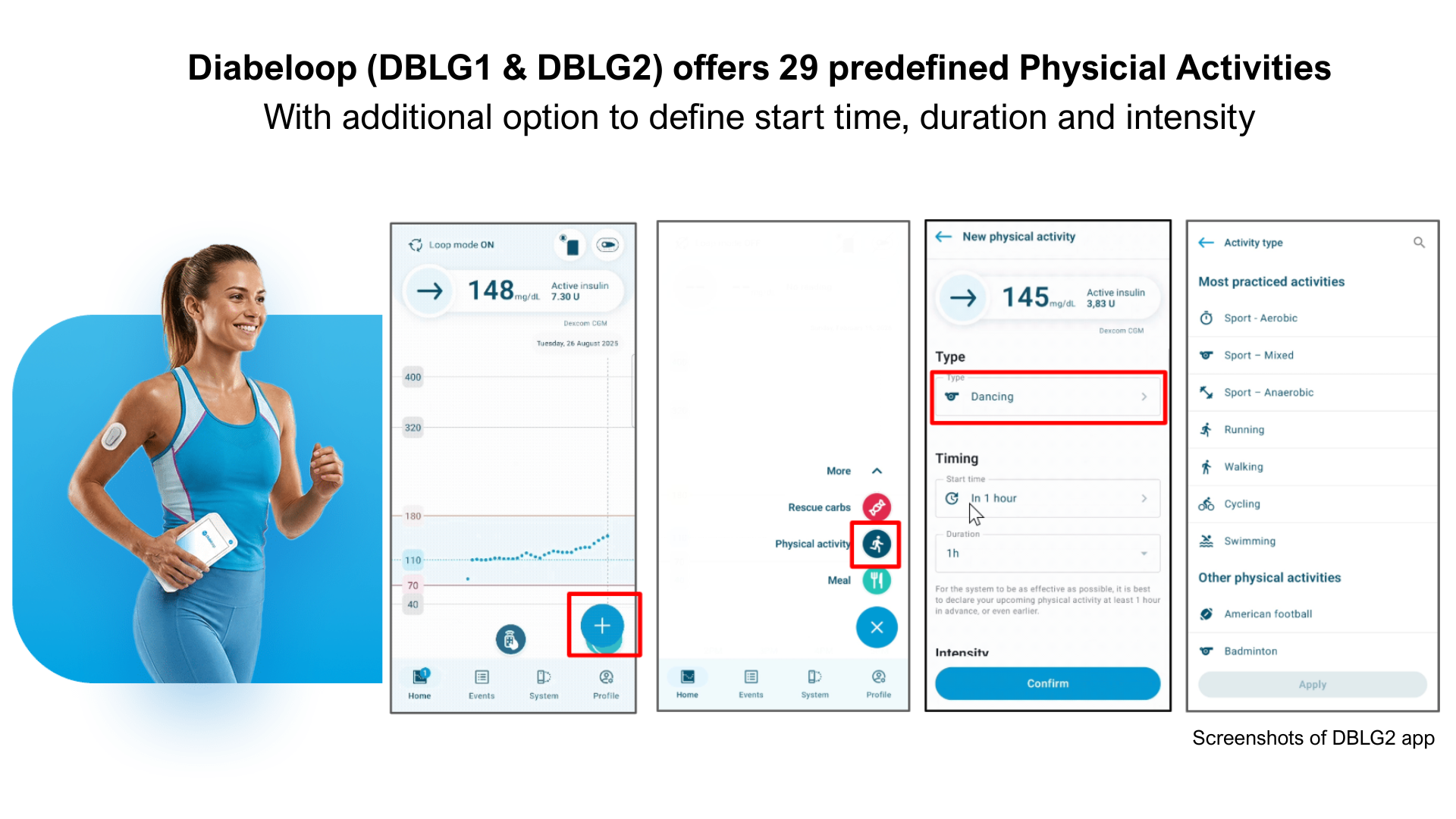
Diabeloop therefore devoted several presentations to exercise-related glucose management, reflecting the company's strong focus on this area. Notably, DBLG2 includes 29 predefined physical activities, allowing the algorithm to adapt its insulin delivery recommendations to different exercise types and intensities.
Oral Presentations
- Heart-rate monitoring for early detection of exercise-induced hypoglycaemia
- Independent impact of exercise characteristics and metabolic state on outcomes
Poster Presentations
- Impact of exercise on overnight glucose outcomes
- Performance during aerobic, anaerobic and mixed exercise sessions
As more systems mature, optimisation around exercise may become one of the next major frontiers for AID development.
7. Medtrum
Medtrum continues to gain traction as a lower-profile but increasingly interesting player in automated insulin delivery.
Italian Real-World Study
Although not at ADA, new real-world data from adults using the TouchCare Nano system was published.
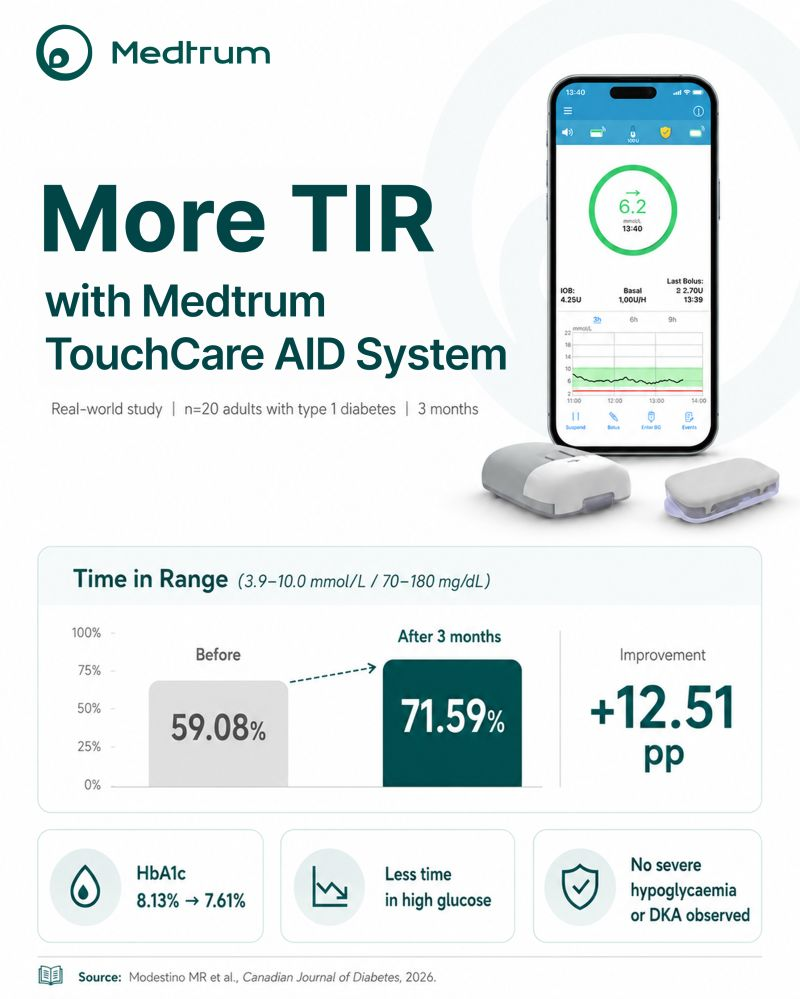
Researchers analysed outcomes in 20 adults with type 1 diabetes using the Medtrum A8 TouchCare system over three months.
Results showed:
- TIR: 59% → 72%
- TBR: 1.9% → 2.6% (not statistically significant)
- HbA1c: 8.1% → 7.6%
- No severe hypoglycaemia, no DKA
Although this was a relatively small study, the safe TIR improvement is encouraging.
A 13% increase in time in range is clinically meaningful and demonstrates that newer entrants can achieve outcomes comparable to more established systems.
8. Sequel MedTech
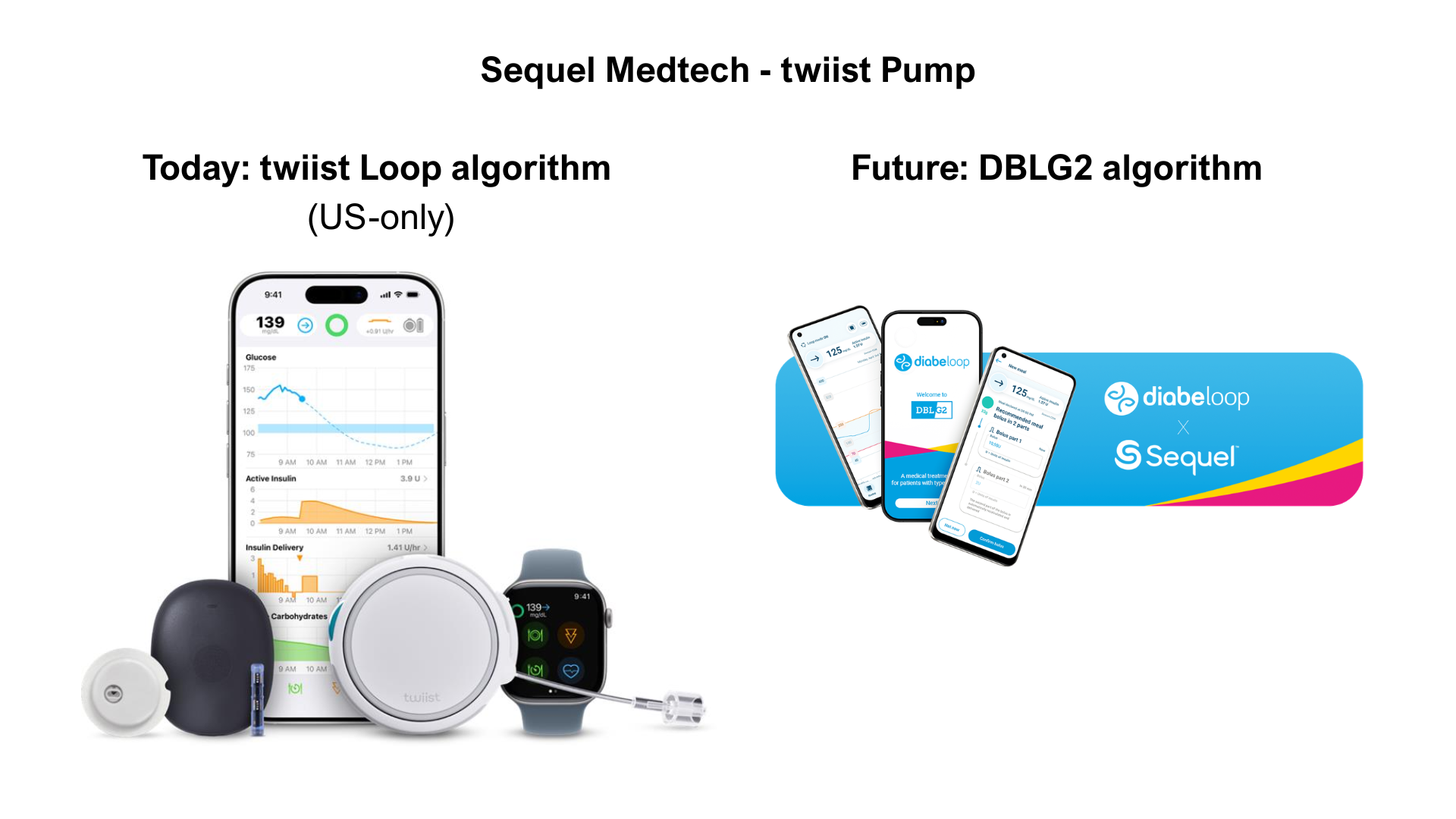
Sequel MedTech continues to attract attention because of its twiist pump and its future collaboration with Diabeloop.
Older Adults
Real-world data from 57 users aged over 65 years showed:
- TIR: 80%
- TBR: 2.2%
These are excellent outcomes and provide further evidence that older adults can benefit substantially from automated insulin delivery.
Type 2 Diabetes
More interesting still were results from a multicentre study involving 307 adults with type 2 diabetes using insulin therapy.
Participants used the twiist system together with FreeStyle Libre 3 Plus for 13 weeks.
Results showed:
- TIR: 57% → 73%
- TBR: 0.7% → 0.4%
- HbA1c: 8.1% → 7.4%
Additional findings included:
- Basal-bolus users reduced total daily insulin from 92 U/day to 72 U/day
- Basal-only users kept a relatively stable daily insulin dose (37 → 38 U/day)
- Body weight increased slightly from 99.7 kg to 100.9 kg
- No severe hypoglycaemia
- One DKA event, unrelated to device
One particularly interesting part was the study's approach to initial settings.
- Researchers individualised correction ranges based on baseline glucose levels, with midpoint of range varying from 110 mg/dL for mean glucose <155 mg/dL up to 175 mg/dL for mean glucose ≥230 mg/dL, with random assignment to have width of 10 mg/dL or 20 mg/dL.
- After three weeks, targets were gradually lowered if no safety concerns emerged, reaching as low as 87–97 mg/dL.
- This gradual intensification strategy may offer useful lessons for clinicians implementing the twiist AID system (or the similar DIY Loop) in people with type 2 diabetes.
9. Open-Source Systems
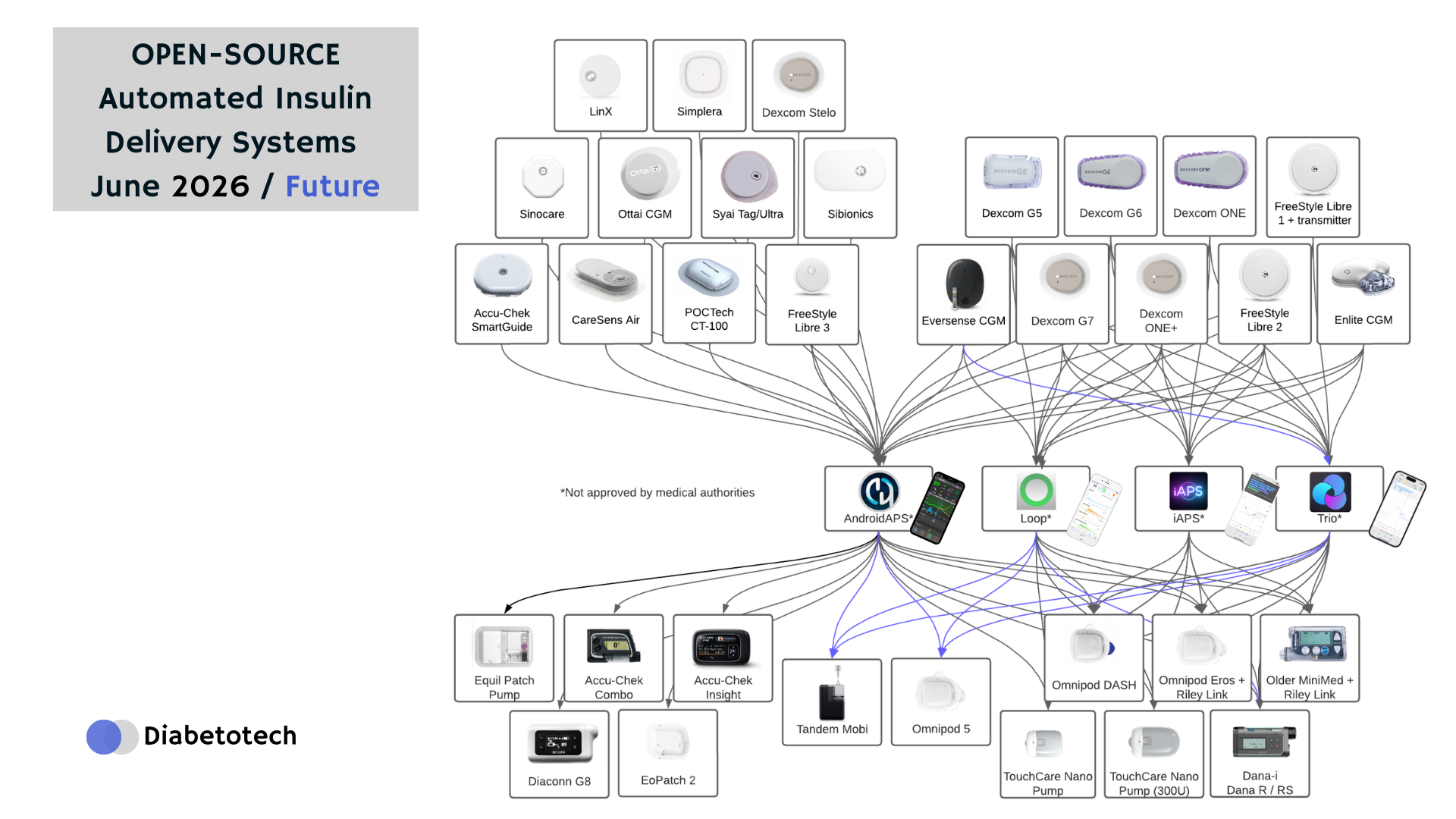
Image available for download via https://www.diabetotech.com/free_resources
As usual, the open-source community continued to innovate at an impressive pace.
While commercial systems often require years of development and regulatory review, open-source projects continue to evolve rapidly.
- DIY Loop: version 3.14.2 was released on June 6th. New additions include support for Eversense E3, Eversense 365 and Medtrum Nano pumps
- Trio: version 0.8.1 was released recently. Support for Dana and Medtrum pumps has been available since April. Support for Eversense and Tandem Mobi is currently being tested.
- iAPS: version 8.2.1 was released in May. No major new device integrations were added during the past six months.
- AndroidAPS: version 3.4.2.3 was released one week before ADA.
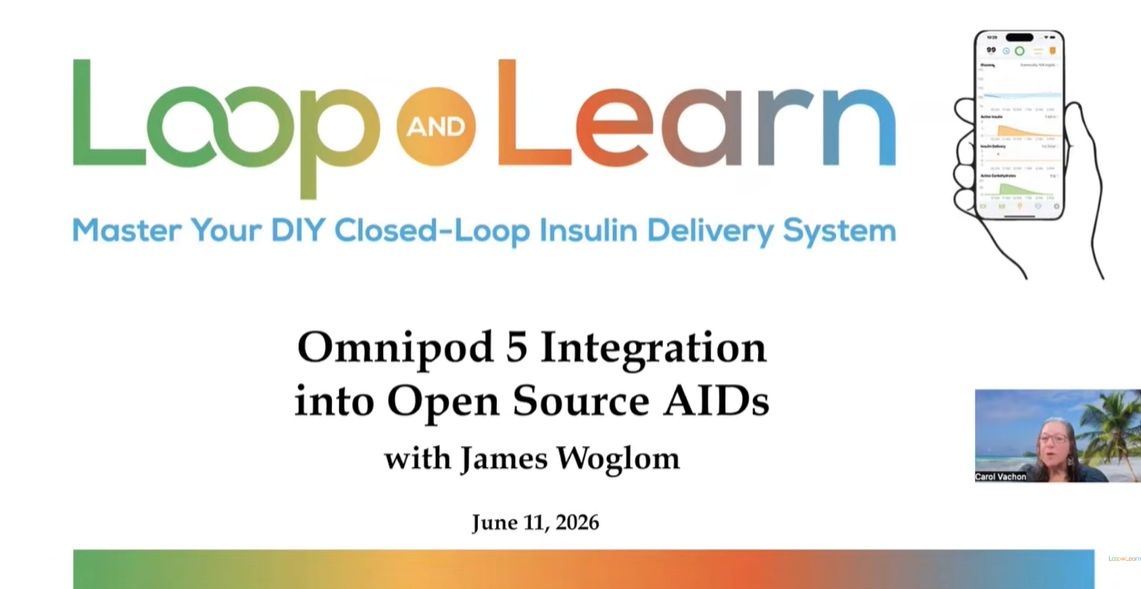
Perhaps the most exciting open-source news came from the Diabetesmine D-Data ExChange summit and the LoopandLearn community.
Developers reported active work on integration of Omnipod 5 & Tandem Mobi with open-source applications.
If successful, this could dramatically expand hardware options for open-source users later this year.
Given the popularity of both pumps, these integrations may become some of the most anticipated open-source developments of 2026.
The gap between commercial and open-source innovation remains remarkably small.
10. Other Interesting Developments
While most of the attention at ADA naturally goes to commercial automated insulin delivery systems, some of the most interesting innovations are happening outside the mainstream market.
Some of these technologies may never reach widespread adoption.
Others may fundamentally change how we think about diabetes management over the next decade.
> Bihormonal Systems
One of the recurring themes at ADA was the continued development of bihormonal systems.
Unlike conventional AID systems that only deliver insulin, bihormonal systems deliver both insulin and glucagon.
The idea is simple:
Instead of only preventing hyperglycaemia, the system can also actively prevent hypoglycaemia by delivering glucagon when needed.
In theory, this should allow for more aggressive glucose targets while maintaining safety.
>> INREDA AP5
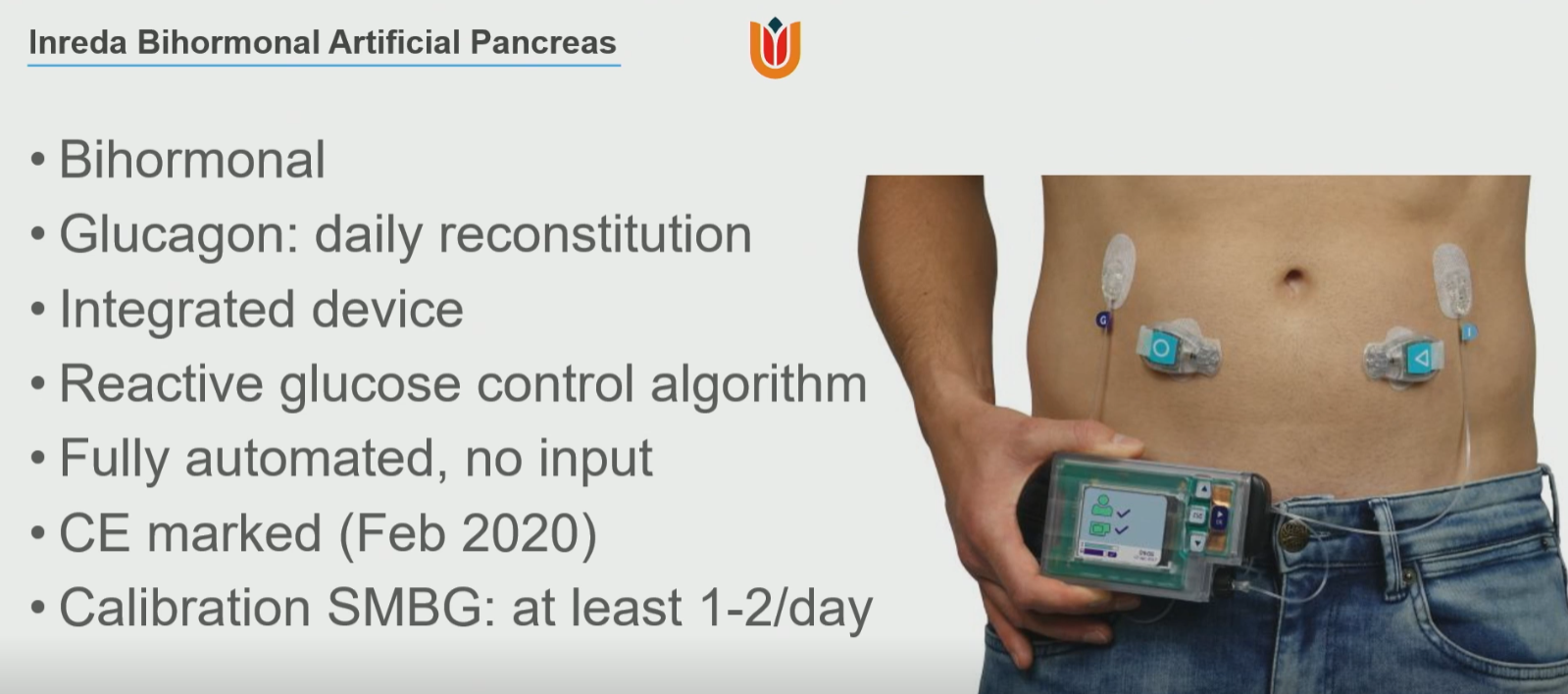
One of the most impressive datasets came from the Dutch company INREDA.
The company presented results from the PANORAMA trial in adults who had undergone total pancreatectomy.
These individuals represent one of the most difficult populations to manage because they lack both endogenous insulin and glucagon production.
The study included 25 adults at least three months after pancreatectomy and compared:
- Three months of standard therapy (MDI or conventional pump therapy)
- Three months using the AP5 bihormonal artificial pancreas
Results were striking:
- TIR: 57% → 81%
- TBR: 1.5% → 0.9%
- HbA1c: 8.0% → 7.2%
A 24% increase in time in range is rarely seen in diabetes technology studies.
However, the system is not without challenges.
Seven of the 25 participants discontinued treatment, partly because of device-related issues such as size, alarms or usability concerns. Increased skin reactions at the glucagon infusion site were also reported.
A pivotal study is expected to be presented at EASD later this year.
This will be an important study to watch.
>> Fully Closed-Loop Insulin + Pramlintide
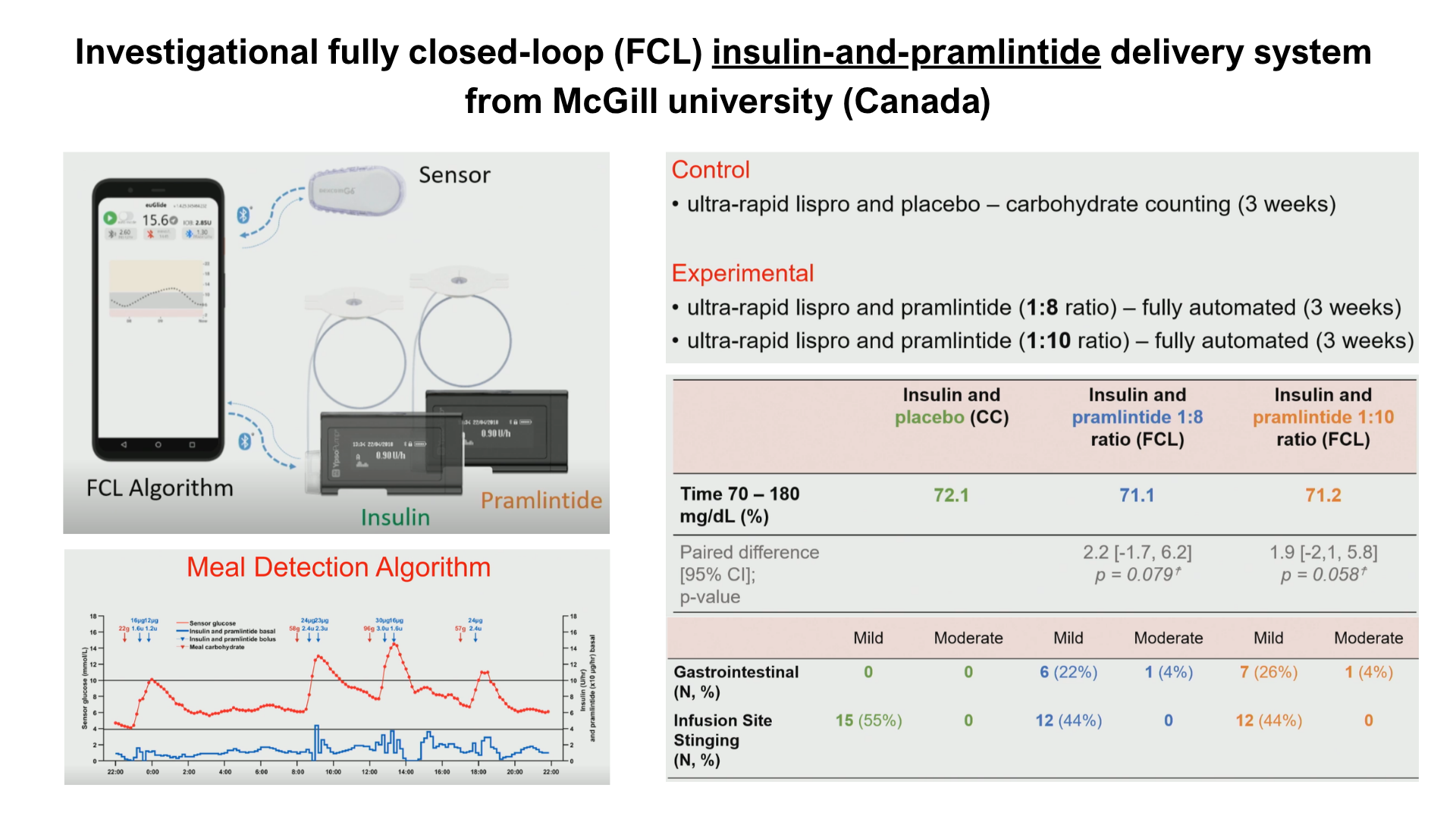
Another fascinating approach came from researchers at McGill University.
Rather than adding glucagon, investigators explored whether adding pramlintide to insulin could improve fully closed-loop performance.
Pramlintide slows gastric emptying and suppresses glucagon secretion, making it an attractive candidate for meal management.
The study included 26 adults with type 1 diabetes and compared:
- Hybrid closed-loop therapy with carbohydrate counting
- Fully closed-loop insulin-pramlintide therapy (8 µg/U)
- Fully closed-loop insulin-pramlintide therapy (10 µg/U)
Faster aspart insulin was used in all groups.
Results were surprisingly close:
- Standard Hybrid Closed-Loop: TIR 72%, TBR 0.9%
- Fully Closed-Loop + Pramlintide (8 µg/U): TIR 71%, TBR 1.1%
- Fully Closed-Loop + Pramlintide (10 µg/U): TIR 71%, TBR 1.4%
Formal non-inferiority was narrowly missed, but the findings remain encouraging.
The most interesting takeaway is that:
A fully automated system achieved glucose outcomes very close to a hybrid closed-loop system requiring carbohydrate counting.
Known side effects of pramlintide remained a challenge. Two participants discontinued because of nausea and infusion-site discomfort associated with ultra-rapid insulin was also reported.
Still, this is another example of the field moving steadily toward fully automated diabetes management.
> Integrated All-in-One Systems
Today's AID systems typically require multiple separate components:
- Pump
- CGM
- Smartphone
- Algorithm
Several companies are trying to simplify this.
>> PharmaSens niia Signature
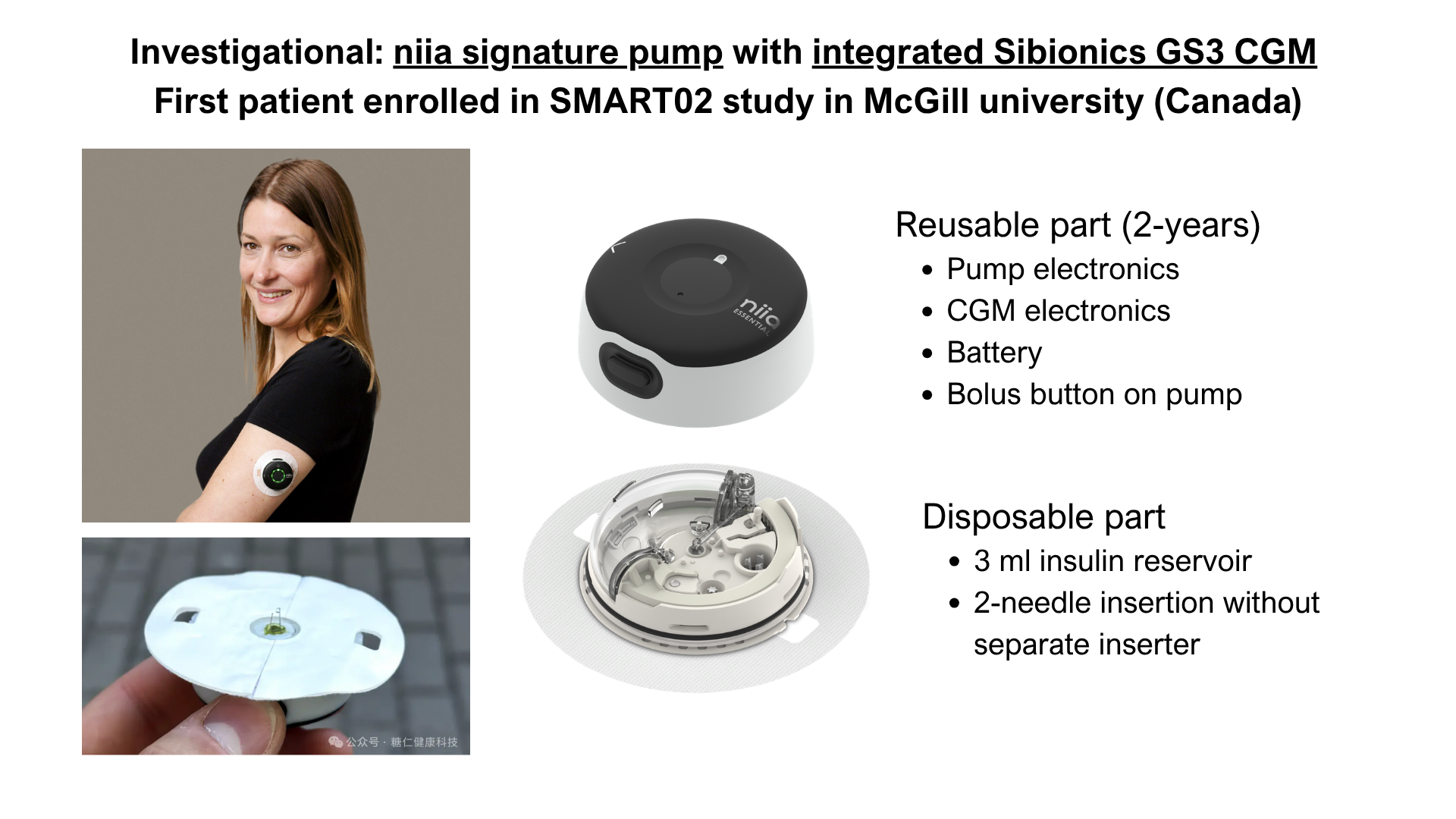
Pharmasens announced enrollment of the first participant in the SMART02 feasibility study in Toronto.
The study will evaluate the niia all-in-one system in 40 participants which will support the development of niia signature.
The system used in the study combines a modified Sibionics GS3 CGM and the niia pump device.
- The first part of the in-patient study systematically examines the effect of insulin delivery near the CGM sensor on the glucose signal.
- The second part tests an initial version of the AID algorithm which will be integrated into the device in a later stage.
The next clinical trial, SMART03, is already in preparation for 2028. While innovative technologies such as All-in-one systems take time to bring to market, projects like niia provide an interesting glimpse into what future diabetes devices may look like.
>> EoFlow Gets a Second Chance
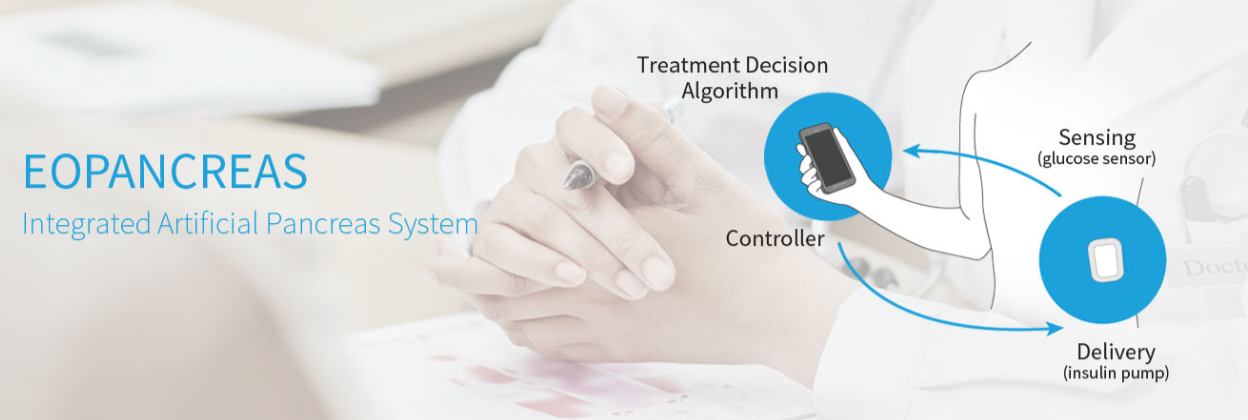
One of the more unexpected stories this month was legal rather than clinical.
A US appeals court overturned Insulet's $59 million trade-secret verdict against EoFlow.
Why is this important?
Because EoFlow has spent several years developing EoPancreas.
The proposed system combines an
- EoPatch pump
- AiDEX (?) CGM
- Proprietary AID algorithm
The legal dispute largely pushed the project out of the spotlight.
Now that the verdict has been overturned, there may once again be a path forward.
Whether EoPancreas ultimately reaches the market remains uncertain.
However, more competition generally drives innovation, and another integrated patch-pump platform would certainly be welcome.
> Simpler Can Also Be Better
Not every person with diabetes wants a sophisticated automated insulin delivery system.
Some people simply want insulin delivery to become easier.
Two companies are pursuing exactly that goal.
>> Pivot Pump
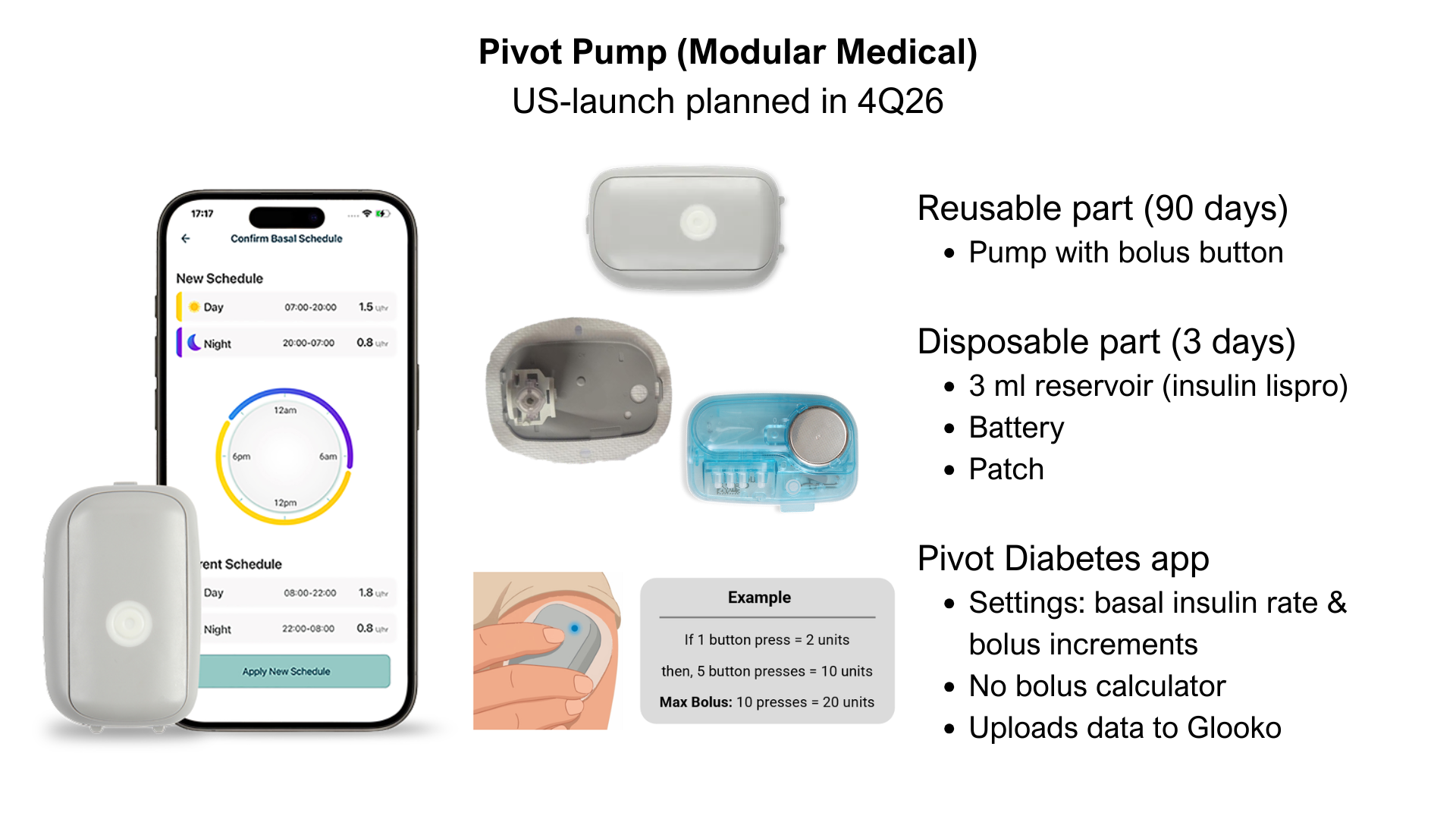
Modular Medical recently launched a new website and confirmed plans to launch the Pivot Pump in the US during the fourth quarter of 2026.
Unlike most insulin pumps, Pivot is not an automated insulin delivery system.
Instead, it is designed as a simple patch pump.
Key features include:
- 300-unit reservoir
- One-button operation
- Smartphone control through an iOS app
- No CGM integration
The company hopes that for some users transitioning from multiple daily injections, simplicity is more important than automation.
>> CeQur Simplicity
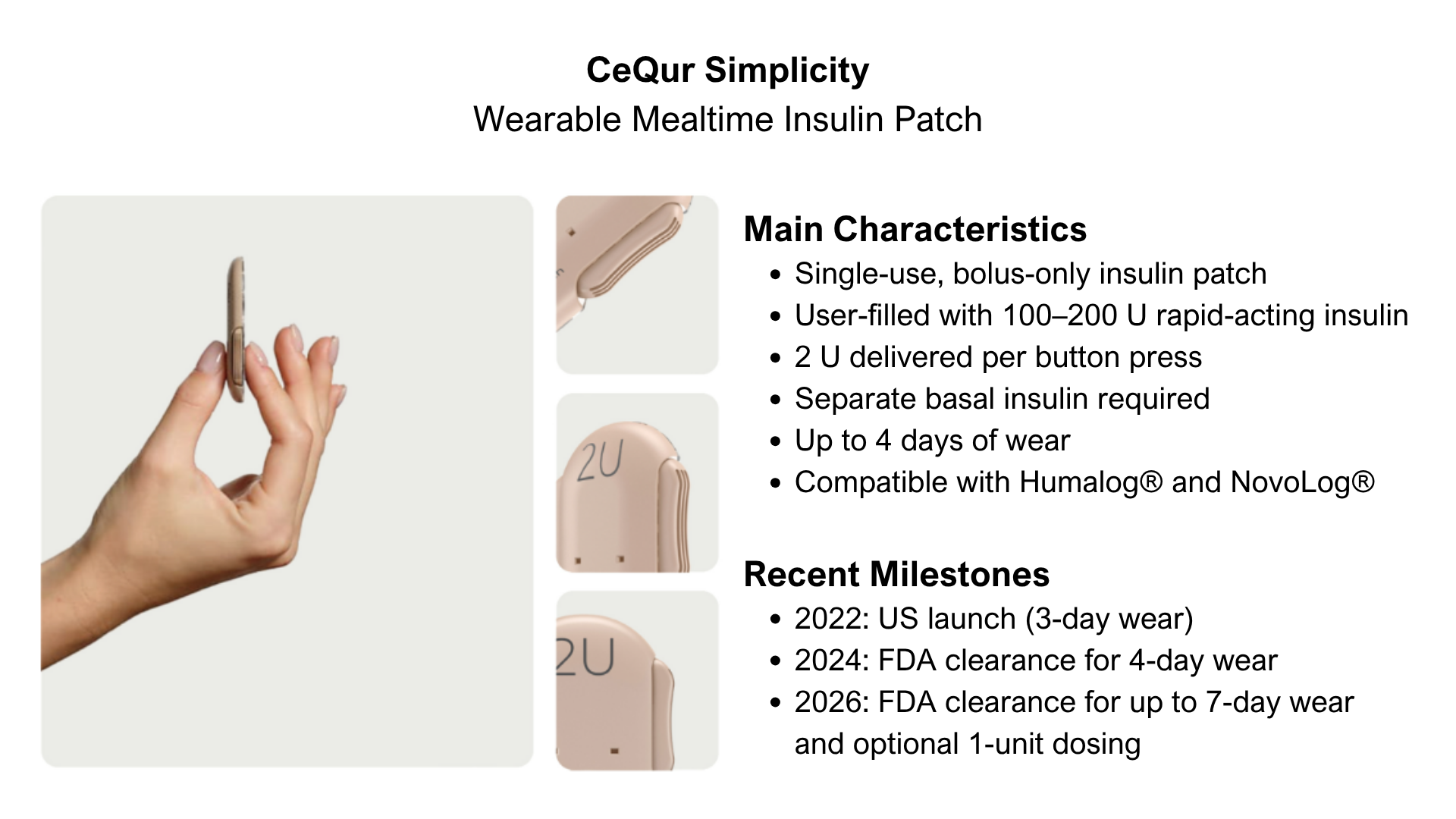
CeQur also announced an important regulatory milestone.
The FDA has now cleared CeQur Simplicity for:
- Up to seven days of continuous wear
- A new one-unit dosing version
Previously, the device was approved for only four days of wear.
For those unfamiliar with the system, CeQur Simplicity is a wearable mealtime insulin patch.
Key characteristics include:
- Mealtime insulin delivery only
- No basal insulin delivery
- Holds 100–200 units of rapid-acting insulin
- Two units delivered per button press (existing model)
- Single-use device
- Manually filled by the user
- Compatible with Humalog and NovoLog
The newly approved one-unit dosing version may improve suitability for people requiring smaller mealtime doses.
Final Thoughts
Looking back at ADA 2026, the most important story is not any individual product launch.
It is the remarkable convergence taking place across the entire industry.
Whether we look at MiniMed, Insulet, Tandem, Beta Bionics, CamAPS FX, Diabeloop or the open-source community, the direction is remarkably similar:
- Less dependence on precise carbohydrate counting
- More automation
- More patch pumps
- More options for people with type 2 diabetes
- More fully automated systems
- Greater integration between pumps, sensors and algorithms
Ten years ago, automated insulin delivery was still considered an emerging technology.
Today, it has become the standard of care for many people using intensive insulin therapy.
What is perhaps most striking is that innovation shows no signs of slowing down. Several companies are now openly discussing systems with optional meal announcements, while others are developing bihormonal solutions, fully closed-loop approaches and integrated all-in-one devices.
The goal is becoming increasingly clear:
Not simply better glucose outcomes, but a lower daily burden of living with diabetes.
The future of diabetes technology is not more work for the user.
It is less.
And after ADA 2026, that future appears closer than ever.
Understand the Technologies Shaping the Future of Diabetes Care
Keeping up with diabetes technology is no longer just about knowing which new device was launched.
It is about understanding how these systems work, who they are suitable for, how they differ from one another, and how they can be used effectively in clinical practice.
At Diabetotech, we provide independent, accredited education on:
✅ Continuous glucose monitoring (CGM)
✅ Insulin pumps and automated insulin delivery (AID)
✅ Smart MDI systems
✅ Artificial intelligence in diabetes care
✅ Emerging diabetes technologies
✅ New clinical studies and regulatory approvals
More than 12,000 healthcare professionals and people living with diabetes already follow our independent educational content.
👉 Click here to explore our accredited diabetes technology courses and discover how the latest sensors, pumps, AID systems and smart insulin pens actually work.
Because understanding these technologies may soon become just as important as prescribing them.
Kind regards,